
Life
Rural vs Urban Living in America: A Detailed Comparison


Jobs: Opportunities and Challenges
The job market in America presents a stark contrast when comparing rural and urban settings. Urban areas are characterized by a wide array of employment opportunities across various sectors. The concentration of businesses, corporate headquarters, and industries in cities leads to a multitude of job openings, ranging from entry-level positions to highly specialized roles. In urban environments, job seekers benefit from networking opportunities, diverse industries, and a generally competitive job market that can cater to a variety of skill sets and educational backgrounds.
Conversely, rural areas often face limitations in the job market. Employment opportunities tend to be fewer and more specialized in sectors such as agriculture, healthcare, and education. This constraint can pose challenges for job seekers who may require skills not in demand in these locales. Moreover, the population density in rural regions is typically lower, which can result in fewer businesses willing to establish operations in those areas. Consequently, individuals in search of employment may find themselves limited in their options.
However, the advent of remote work has significantly transformed the landscape of employment in rural regions. As technology continues to evolve, telecommuting has gained traction, allowing individuals to work for companies located miles away without having to relocate. This shift has the potential to close the employment gap between urban and rural areas, offering professionals in countryside locales access to broader job markets while enjoying the quality of life that rural living offers. Remote work enables a greater work-life balance, providing rural residents with the ability to commute virtually to jobs in thriving urban centers.
As the dynamics of work continue to change in the wake of technological advancements, both rural and urban job markets are likely to evolve. Urban centers will still remain hubs of opportunity, yet the flexibility afforded by remote work may lead to a more equitable distribution of employment possibilities across the country.
Community: The Heart of Living Spaces
Community plays a pivotal role in shaping the experience of living in both rural and urban areas. In rural regions, community ties are often strong and deeply rooted, leading to a higher sense of belonging among residents. Neighborly relationships are fostered through close proximity, allowing for frequent interactions among families and individuals. This tight-knit atmosphere is characterized by a reliance on one another, as residents tend to share resources and support systems, especially during times of need. Community events within rural areas, such as local fairs, farmer’s markets, and seasonal festivals, further reinforce social bonds and provide opportunities for residents to connect and collaborate. Such interactions contribute to a cohesive community identity, where individuals are more likely to know their neighbors personally.
In contrast, urban living frequently presents a different scenario. Cities are marked by a diverse population, leading to a rich tapestry of cultures and backgrounds. However, the fast-paced lifestyle often cultivates a more individualistic approach to life. Urban dwellers may find they have fewer opportunities to develop close relationships with neighbors, as their schedules tend to be busier and more hectic. While urban environments offer a plethora of community events and activities, the sheer size and anonymity of city life can lead to a sense of disconnection. Residents may engage in social interactions, yet these experiences can be more superficial and transient compared to rural community engagement.
The stark difference in communal living illustrates how rural areas often emphasize unity and collaboration, whereas urban settings lean towards independence and personal pursuits. This contrast influences not only lifestyle but also overall well-being, as studies suggest that a strong sense of community can enhance mental health and life satisfaction. Understanding these dynamics is crucial for those contemplating a move or assessing their current living situation, as the community aspect significantly enriches the quality of life in any environment.
Access to Healthcare: A Crucial Factor
Access to healthcare is a vital consideration when comparing rural and urban living in America. The availability and quality of healthcare services can significantly influence the well-being of individuals residing in these distinctly different environments. Rural residents often face unique challenges related to healthcare access, including greater distances to medical facilities and a shortage of specialized healthcare providers. In many rural areas, individuals may have to travel long distances—sometimes exceeding an hour or more—to reach the nearest hospital or specialized care provider. This spatial barrier can exacerbate health issues, particularly for individuals with chronic conditions or those requiring immediate medical attention.
Furthermore, rural areas often suffer from a lack of healthcare resources, such as primary care physicians, specialists, and essential medical supplies. According to various studies, many rural healthcare facilities encounter difficulties in recruiting and retaining qualified healthcare professionals, which can lead to decreased service availability. In contrast, urban areas typically offer a broader range of healthcare options, encompassing hospitals, outpatient centers, and specialized clinics. This landscape facilitates easier access to treatment, preventive care, and specialized services. However, urban healthcare systems are not without their drawbacks. The higher volume of patients in cities can generate long wait times for appointments and can lead to overcrowded emergency rooms, ultimately impacting the quality of care.
The contrasting healthcare dynamics in rural and urban environments emphasize the complexity of health access in America. While rural residents navigate significant barriers due to geographic constraints and resource limitations, urban dwellers often contend with systemic issues, including congestion in healthcare facilities. These factors highlight the necessity for targeted healthcare policies and solutions that address the specific needs of both rural and urban populations, ensuring that all Americans have equitable access to essential health services.
Daily Routines: Life in Motion
The daily routines of individuals living in rural and urban areas of America often reflect their distinct environments, influencing a myriad of factors such as commuting patterns, work-life balance, and leisure activities. In urban settings, residents typically experience a fast-paced lifestyle characterized by long commutes and a plethora of work opportunities. The reliance on public transportation or private vehicles in city life often necessitates early mornings and late evenings, which can lead to compressed schedules. This urban tempo can result in individuals prioritizing efficiency, often sacrificing personal time and leisure for professional obligations.
Conversely, rural living promotes a different rhythm. Daily routines in rural communities tend to be more laid-back, with many residents enjoying a shorter commute, often accessing local jobs within their communities. This proximity to work affords individuals more flexibility, allowing for a more balanced work-life structure. Moreover, the slower-paced environment allows residents to engage in their daily tasks with a more measured approach, providing ample opportunity for interaction with nature and community involvement.
In terms of leisure, urban areas boast a diverse array of entertainment and recreational options, from theaters to restaurants, catering to a wide range of interests. Urban dwellers often find themselves engaged in organized activities after work, despite their busy schedules. On the other hand, rural residents may find more value in solitary or family-oriented pastimes. Activities such as farming, gardening, or participating in community events can shape a leaning towards quality time spent with family and neighbors, enhancing personal connections in ways that an urban environment may not.
Ultimately, the daily routines established in both rural and urban settings not only reflect the unique challenges and opportunities presented by each environment but also shape the overall lifestyle choices and personal well-being of individuals. Understanding these differences is essential for grasping how geographical factors influence daily life in America.
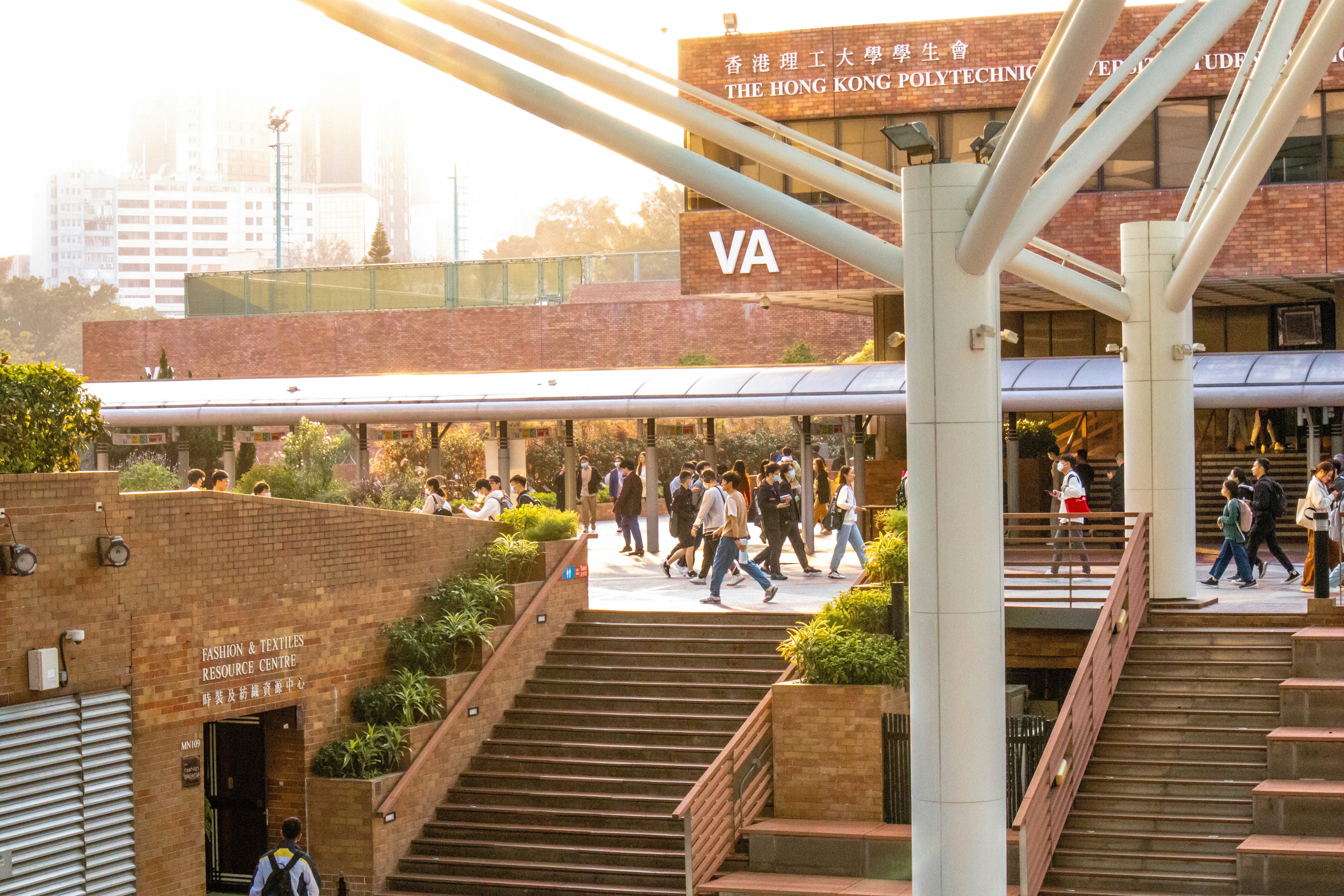
Morning Routine: The Start of a Busy Day
A typical morning for an American college student begins before the sun has fully risen. The sound of an alarm clock fills the room, a digital companion that has become a necessity in the life of a student. With technology at their fingertips, many students use alarm apps that offer various features such as snooze options, progressive volume, or even calming sounds, making the arduous task of waking up a little easier. However, the struggle to rise from the comfort of warm blankets remains a daily challenge.
After finally getting out of bed, the morning rush commences. A significant portion of the routine revolves around striking a balance between personal health and academic preparedness. Many students prioritize quick fitness routines, utilizing the time they have in the morning to engage in stretching exercises or a brief workout. This physical activity, even if only for 20 minutes, is essential in boosting energy levels and enhancing focus, setting a positive tone for the day ahead.
Breakfast, often referred to as the most important meal of the day, plays a crucial role in a college student’s morning. With busy schedules and limited time, students tend to opt for quick yet healthy options like smoothies, oatmeal, or yogurt with fruit. Others may set aside a few minutes to enjoy scrambled eggs or a breakfast burrito. This meal is not merely about sustenance; it is a moment to refill energy reserves and fuel both body and mind for the academic challenges to come.
As students prepare to head to class, the balancing act continues. Students juggle packing their bags, reviewing their schedules, and sometimes engaging in last-minute studying. The need for efficiency drives many to rely on apps and organizational tools to keep track of their academic responsibilities. The morning routine, while often hectic, plays a vital role in each student’s day, emphasizing the importance of good habits to promote productivity and well-being throughout the busy college experience.
Attending Classes: Navigating Academics
As American college students embark on their academic journey, attending classes becomes a central component of their daily routine. A typical class schedule is often a mix of lectures, small discussions, and lab work, each contributing uniquely to the educational experience. In larger lectures, students have the opportunity to receive information from professors in a more traditional format, where lecture slides and visual aids illustrate key concepts. The dynamic of these settings can vary widely; some professors encourage questions, creating an interactive atmosphere, while others may follow a more structured approach.
On the other hand, smaller discussion classes promote a deeper engagement with the material. Students participate in conversations that allow them to express their viewpoints while learning from peers. This format fosters collaboration and critical thinking, essential skills in today’s educational landscape. Additionally, lab work is an integral part of the curriculum for students in science and engineering disciplines. Here, they can apply theoretical knowledge in practical ways, enhancing their understanding through hands-on experience.
Interaction with professors and fellow classmates plays a vital role in navigating the academic environment. Many students develop effective study habits by forming study groups, attending office hours, or simply engaging with instructors during or after class. Organizing coursework becomes crucial as students may juggle multiple assignments across various subjects. Time management skills are tested as they learn to prioritize tasks and balance academic responsibilities with extracurricular activities.
Despite the challenges of deadlines and the pressure to perform, the exhilaration of discovering new knowledge keeps students motivated. The blend of different learning styles, the camaraderie among peers, and the passion of educators contribute to a rich and fulfilling academic experience that shapes their college life.
Campus Culture: The Heartbeat of College Life
Campus culture plays an indispensable role in shaping the collegiate experience, serving as a framework within which students engage, grow, and establish lasting relationships. At the core of this vibrant environment are clubs and organizations that cater to a wide range of interests, from academic pursuits to cultural celebrations. These groups not only offer students opportunities to explore their passions but also help cultivate a sense of community and belonging that is crucial during these formative years.
Participating in extracurricular activities is a cornerstone of college life, as it allows students to connect with their peers and develop a network that extends beyond the classroom. Many colleges and universities host events such as club fairs, talent shows, and cultural festivals, which encourage student involvement and create platforms for showcasing diverse talents. These gatherings are instrumental in fostering friendships and shared experiences, often leading to lifelong connections. Additionally, they provide avenues for developing leadership skills and promoting teamwork, essential attributes for future professional endeavors.
The diversity within campus culture enriches the overall collegiate experience, reflecting a blend of backgrounds, viewpoints, and values. Each college possesses its unique social dynamics, influenced by local traditions and the student demographics it attracts. This variety allows students to engage with different perspectives, further enhancing their personal growth and understanding of the world. As students navigate this landscape, they learn the importance of tolerance, collaboration, and open-mindedness, traits that are vital as they prepare to enter an increasingly interconnected society.
Ultimately, the engagement in campus culture is not merely about participation; it is about the transformative journey that shapes individuals and fosters a supportive environment where students can thrive socially, academically, and personally. The friendships formed and experiences shared through these activities make a lasting impact, enriching the overall college journey and preparing students for life beyond academia.
Balancing Part-Time Jobs and Social Life
For many American college students, the pursuit of higher education often extends beyond the classroom, leading them to take on part-time jobs. Balancing these work commitments with social life and academic responsibilities can be challenging, yet it is a common experience that shapes the college journey. Students who hold down jobs learn to manage their time effectively, prioritizing tasks while finding moments to engage in social activities.
Juggling work schedules with classes requires diligent planning. Many students develop strategies such as using planners or digital calendars to allocate time for work shifts, study sessions, and social engagements. This organization helps students to ensure they meet their job responsibilities while still enjoying the vibrant social scene that college offers. Additionally, forming friendships with coworkers can provide a supportive network, enriching both work and social experiences. Such relationships often lead to shared social outings, thus fostering a sense of community among peers.
Despite the inevitable challenges, students frequently report that part-time jobs enhance their college experience. The financial benefits can relieve some of the stresses associated with tuition and living expenses, allowing for a more enjoyable college life. Furthermore, the skills gained from part-time positions—such as teamwork, communication, and time management—are invaluable and often apply to their future careers.
Nevertheless, it is crucial for students to also prioritize downtime. Taking breaks from work is essential to recharge mentally and emotionally. Engaging in hobbies, joining clubs, or enjoying time with friends can provide necessary respite from the rigors of work and study, ultimately leading to a more well-rounded, fulfilling college experience. Successfully navigating this balance not only enriches students’ lives but also prepares them for the complexities of post-college life.

Understanding the American Dream
The American Dream is an enduring concept that has shaped the identity of the United States since its inception. Rooted in the principle of opportunity, this ideal represents the belief that anyone, regardless of their background, can achieve prosperity and happiness through hard work and determination. The origins of the American Dream can be traced back to early settlers and their pursuit of a new life in an unfamiliar land, driven by the values of freedom and individualism.
Throughout history, the definition of the American Dream has evolved, reflecting the changing dynamics of American society. For some, it may manifest as the pursuit of economic success, symbolized by home ownership or career advancement. Others may interpret it as the quest for personal fulfillment, encompassing elements such as education, equality, and community. This spectrum of meanings illustrates how the American Dream resonates differently across various cultural and social landscapes, with each individual carving out a distinct interpretation based on their experiences and aspirations.
In contemporary America, the idea of the American Dream continues to inspire countless individuals. Diverse backgrounds contribute to a rich tapestry of narratives surrounding it; for instance, immigrants often view the Dream as a pathway to a better life, while native-born citizens may emphasize the importance of social justice and equality as integral components. These varying approaches highlight a fundamental truth: the American Dream is not a monolithic concept but a dynamic and multifaceted ideology that reflects the aspirations of a diverse populace. Consequently, understanding the American Dream requires acknowledging its complexity and the way it motivates people to strive for their personal and professional goals within the context of American society.
Popular Lifestyle Trends in the USA
Contemporary American life is significantly influenced by various lifestyle trends that reflect evolving societal values and priorities. The increasing emphasis on health and wellness is one of the predominant trends currently shaping everyday life in the United States. Many Americans are now incorporating holistic practices, healthier eating habits, and regular physical activities into their daily routines. This shift towards prioritizing mental and physical health can be attributed to a growing awareness of the benefits of maintaining a balanced lifestyle, as well as the vast amount of information readily available through social media and digital platforms.
Another notable trend is sustainability and eco-conscious living. As global climate change and environmental concerns become increasingly pressing, many households in the USA are adopting greener practices. This includes reducing waste, opting for sustainable products, and participating in community initiatives aimed at preserving the environment. By embracing these practices, individuals not only contribute to the well-being of the planet but also reflect a collective responsibility that many citizens feel towards fostering a healthier future.
Minimalism is also gaining traction among many Americans who are seeking to declutter their lives both physically and mentally. This lifestyle choice encourages individuals to prioritize experiences and relationships over material possessions. The minimalist approach, often inspired by social media influencers and lifestyle blogs, promotes the idea that a simpler lifestyle can lead to greater contentment and satisfaction.
Further, hobbies and activities such as gardening, crafting, and outdoor pursuits continue to rise in popularity as people seek to reconnect with nature and cultivate a sense of community. All of these trends contribute to the diverse tapestry of the modern American lifestyle, reflecting a society that is continuously evolving and adapting to new realities. As various trends gain momentum, they collectively paint a picture of a country that increasingly values health, sustainability, and meaningful experiences.
Regional Differences in American Lifestyles
The United States is a vast nation characterized by significant geographical diversity, influencing the lifestyles of its residents. From bustling urban centers to serene rural areas, each region of the country exhibits unique cultural flavors and living conditions that shape daily life. For example, the contrasts between urban and rural living are stark; while city dwellers in places such as New York or San Francisco experience a fast-paced lifestyle with easy access to amenities and diverse cultural activities, those in rural areas of the Midwest or South often enjoy a more relaxed pace, grounded in community values and close-knit social structures.
In particular, the Northeast and the Southwest offer distinct cultural influences that reflect their historical backgrounds. The Northeast, encompassing states like Massachusetts and Pennsylvania, is known for its rich history and educational hubs, contributing to a lifestyle that emphasizes academia and tradition. In contrast, the Southwest, which includes states like Arizona and New Mexico, is deeply influenced by Hispanic culture, fostering a lifestyle that celebrates community gatherings, outdoor activities, and a warm climate. This cultural fusion invites residents to embrace traditions that may revolve around food, festivals, and family, further enriching the American experience.
Furthermore, consider the lifestyles associated with states like California and Texas. California, with its diverse population and technology-driven economy, promotes a lifestyle focused on innovation, wellness, and sustainability. Outdoor activities like hiking and surfing are integral to the Californian way of life. On the other hand, Texas presents a lifestyle steeped in Southern hospitality, where community bonds and cultural pride play a significant role. The state’s emphasis on music, food, and tradition illustrates how regional customs profoundly impact day-to-day living.
In essence, these regional differences create a rich tapestry of experiences, painting a vibrant picture of how geography and culture together shape the American lifestyle.
Tips for Adapting to the American Lifestyle
Adapting to the American lifestyle can be an enriching experience, offering the opportunity to engage with a diverse culture and community. Whether you are a newcomer to the United States or a long-time resident seeking a fresh perspective, various practical strategies can facilitate this transition. One of the first steps is to actively participate in socializing and networking. Engage with neighbors, colleagues, and acquaintances, utilizing platforms like community events and social media groups to meet new people. Building a robust network can provide both personal and professional support.
Exploring local cultures is another essential aspect of immersing yourself in the American way of life. Each region possesses unique traditions, food, and customs. Attend local festivals, art shows, or sports events to appreciate the rich tapestry of experiences available. Participating in these activities encourages connections and enriches your understanding of the community you reside in.
Moreover, engaging in community events plays a crucial role in fostering a sense of belonging. Volunteer for local organizations or clubs that resonate with your interests. Whether it’s through helping at a food bank or participating in environmental initiatives, these actions not only benefit others but also create a fulfilling experience for you. Understanding the work-life balance that many Americans strive for is equally important. Setting boundaries between professional commitments and personal time helps to maintain mental well-being. Make time for hobbies and relaxation, ensuring that you nurture all aspects of your life.
For continued learning and growth, there are numerous resources available. Leverage local libraries, online courses, and workshops aimed at deepening your understanding of American culture, history, and social dynamics. By actively participating and contributing to your community, you can fully embrace the American lifestyle, leading to a more enriching and rewarding experience.

Why Gun Control Laws in the U.S. Need to Change: A Deep Dive into Both Sides of the Debate

Is the American Dream Still Alive in 2025?
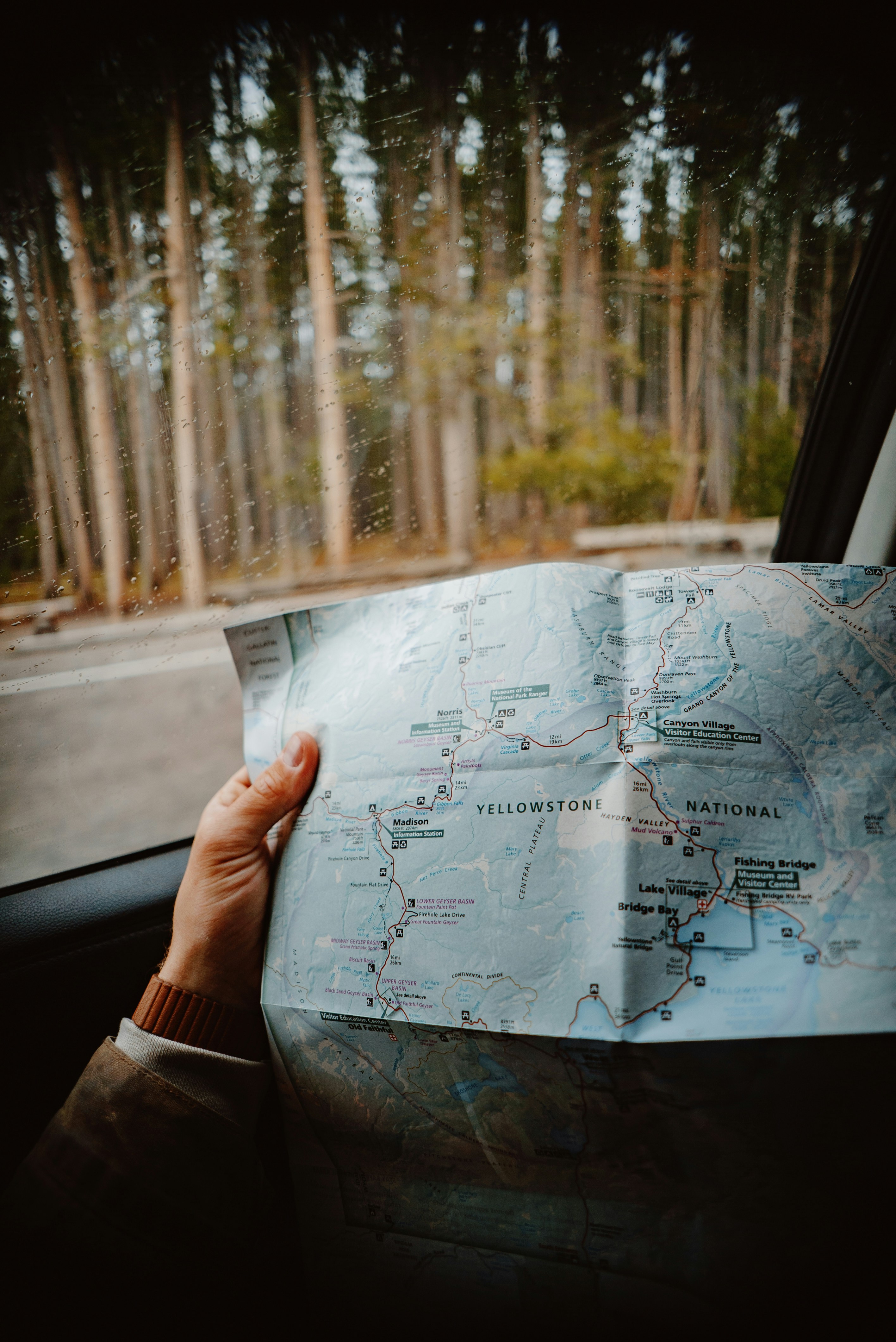
Top 7 National Parks to Visit in the USA in Summer
Why Gun Control Laws in the U.S. Need to Change: A Deep Dive into Both Sides of the Debate

The Current Landscape of Global Politics: Key Trends and Developments

10 Most Breathtaking Road Trips Across the United States
-
Opinion10 months ago
Why Gun Control Laws in the U.S. Need to Change: A Deep Dive into Both Sides of the Debate
-
Politics10 months ago
The Current Landscape of Global Politics: Key Trends and Developments
-
Travel10 months ago
10 Most Breathtaking Road Trips Across the United States
-
Politics10 months ago
Understanding Politics in the Modern World: Trends, Challenges, and Opportunities
-
Entertainment10 months ago
The Ultimate Guide to Entertainment Movies in the USA: What’s Hot and What’s Coming
-
Travel10 months ago
The Ultimate Travel Guide to New York City in 2025
-
Sports10 months ago
The Power of Sports: Uniting People and Influencing Lives
-
Sports10 months ago
The Latest in Sports: Highlights, Achievements, and Trends