Entertainment
The Ultimate Guide to Entertainment Movies in the USA: What’s Hot and What’s Coming

Current Hit Movies in Theaters
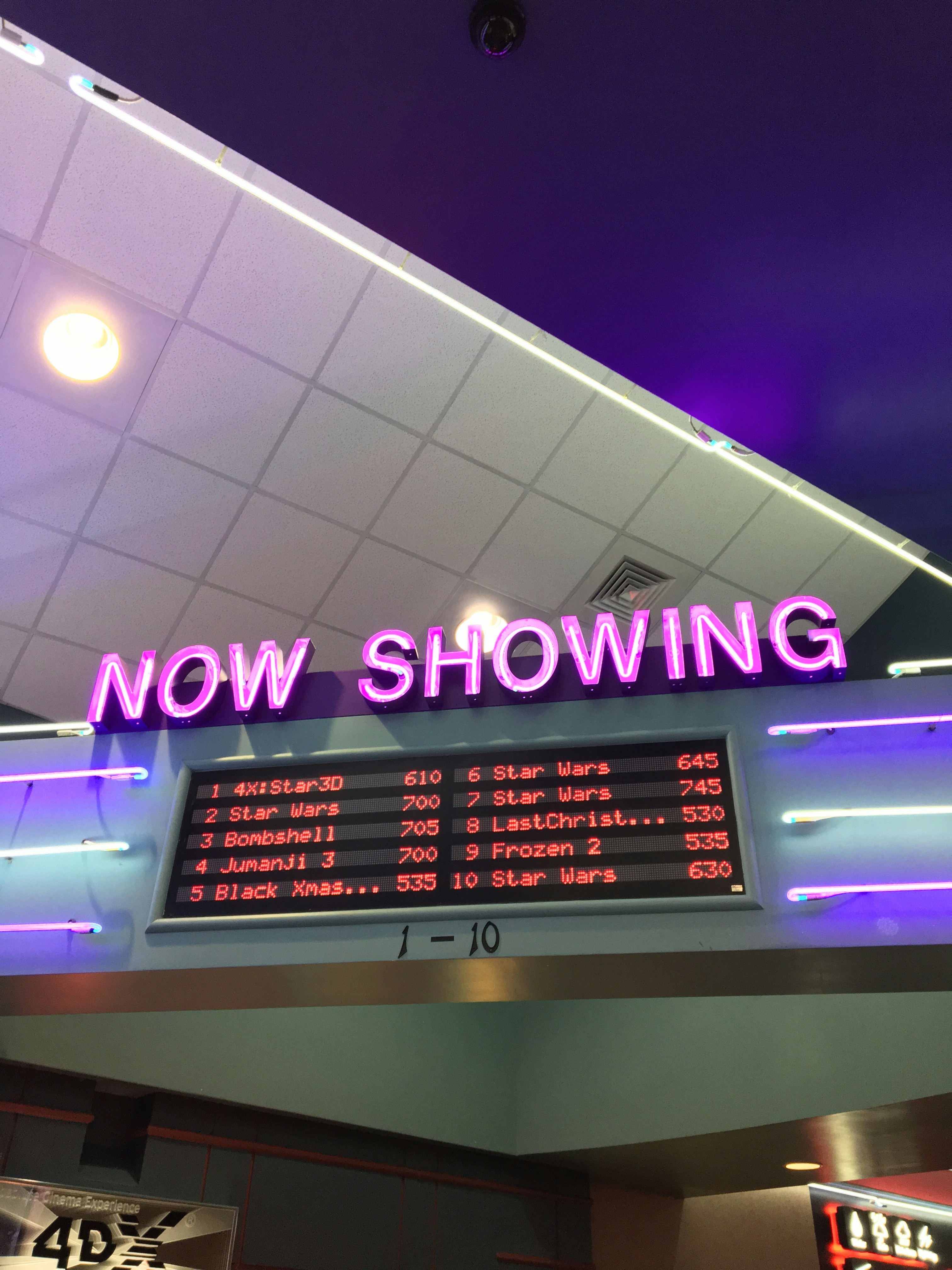
As of October 2023, the landscape of entertainment movies in the USA is vibrant, showcasing a diverse array of box office hits that are captivating audiences across various genres. Notable action films like “Guardians of the Galaxy Vol. 3” have dominated ticket sales, appealing to fans through thrilling sequences and deeply resonant storytelling. This particular installment has been praised not only for its high-octane action but also for its character development, offering viewers an emotional connection that transcends typical superhero narratives.
In the realm of drama, “Oppenheimer” stands out as a compelling exploration of the complexities surrounding historical figures. This film has garnered critical acclaim for its direction and the powerful performances delivered by its cast. Featuring an ensemble that includes A-list actors, “Oppenheimer” delves into moral dilemmas and the consequences of innovation, providing a thought-provoking experience that resonates with audiences seeking substance in film.
Comedy has not been left behind, with films like “The Lost City” melding humor and adventure to deliver an enjoyable cinematic experience. With its star-studded cast, the film combines light-hearted elements and captivating escapades, producing box office success while solidifying its place among must-watch comedies of the year. Horror enthusiasts also have much to savor, as “The Nun II” continues to make waves at the box office. This sequel not only builds upon the original’s chilling atmosphere but also introduces fresh narrative layers that engage both franchise loyalists and new viewers alike.
With varied genres catering to all preferences, the current hit movies in theaters illuminate audience trends and preferences. Each film not only entertains but also encapsulates a portion of cultural conversation, inviting audiences to participate in a shared cinematic experience that frequently extends beyond the theater walls.
Upcoming Releases to Watch Out For
The film landscape in the USA is poised for an exciting period with a diverse array of upcoming releases that are generating considerable buzz. In the coming months, audiences can look forward to an impressive lineup of blockbuster hits, indie gems, and notable directorial debuts. These films promise to cater to varying tastes, from action-packed adventures to heartfelt dramas.
Among the anticipated blockbusters, one of the most talked-about films is “Guardians of the Galaxy Vol. 3.” Set for a summer release, it brings back beloved characters and introduces new ones, with expectations running high for both box office success and critical acclaim. Another standout is “Dune: Part Two,” which continues the epic saga based on Frank Herbert’s novel, aligning with its prestigious predecessors to potentially garner awards attention.
On the indie film front, “The Whale,” starring Brendan Fraser, is already garnering significant award buzz for its poignant storytelling and performance, set to release in selected theaters soon. This film explores important themes of redemption and identity, reflecting a growing trend in cinema where character-driven narratives are taking center stage.
Noteworthy directorial debuts include “Asteroid City,” helmed by acclaimed filmmaker Wes Anderson, known for his distinctive visual style and storytelling. Fans are eagerly awaiting its release, anticipating a blend of humor and heart that Anderson has mastered over the years.
In addition to the films scheduled for release, discussions surrounding casting choices, storyline hints, and potential awards recognition have further fueled excitement among moviegoers. As these films draw closer to their release dates, industry speculation is bound to intensify, making it the perfect time for cinema enthusiasts to mark their calendars and prepare for an exhilarating movie-going experience.
Streaming Services and Their Impact on the Movie Landscape
The emergence of streaming services such as Netflix, Hulu, and Disney+ has significantly transformed the movie landscape in the United States. Unlike traditional cinema, these platforms offer an extensive library of films that viewers can access from the comfort of their homes at any time. This convenience has led to a discernible shift in viewer habits, with more audiences preferring to binge-watch movies and series rather than frequenting theaters. The result is a considerable impact on box office revenues for traditional cinemas, as many moviegoers opt for the ease of streaming.
Streaming services have also democratized content distribution, giving rise to a plethora of original films and documentaries that would have otherwise struggled to find a platform. This boom in original content has led to increased competition among providers, fostering creativity and diversity in storytelling. Services like Netflix have not only produced award-winning films but have also made it possible for independent filmmakers to reach wider audiences without the constraints of traditional distribution methods. Hulu and Disney+ have likewise contributed to this trend, launching exclusive titles that pique viewer interest and draw subscribers to their platforms.
Moreover, the accessibility of streaming platforms allows for a broader range of genres and themes to be showcased, catering to a diverse audience. Selected original films, such as “The Irishman” on Netflix and “Palm Springs” on Hulu, exemplify this shift, demonstrating the platforms’ ability to create movies that resonate with various demographics. These developments indicate a fundamental change in the way movies are produced, marketed, and consumed. As the landscape continues to evolve, it is clear that streaming services are playing a pivotal role in shaping the future of entertainment in the USA.
Special Events and Film Festivals to Attend
The United States hosts a variety of film festivals and special events that are pivotal in celebrating movie culture and fostering connections among filmmakers, industry professionals, and cinema enthusiasts. These events not only provide a platform for showcasing independent films but also serve as networking hubs for emerging talents and seasoned filmmakers. Among the most notable events is the Sundance Film Festival, which takes place each January in Park City, Utah. This festival is known for its dedication to independent cinema, featuring a diverse array of films that often go on to find success in the mainstream market.
Another significant event is the Tribeca Film Festival, held annually in New York City. Founded in 2002, Tribeca has grown into one of the premier film festivals in the USA, highlighting innovative storytelling and championing the work of new filmmakers. This festival not only showcases an impressive selection of films but also includes panels, discussions, and interactive events, allowing attendees to engage with creators, actors, and industry experts. The festival aims to reflect the diverse voices of film culture while promoting audience engagement and appreciation of the cinematic arts.
Other notable events include the South by Southwest (SXSW) Film Festival in Austin, Texas, which integrates music and tech with film, and the AFI Fest in Los Angeles that showcases international films and provides visibility for both established and emerging artists. Attendees can expect a range of activities, such as screenings, Q&A sessions, and networking events that enrich the film experience and foster creativity. Whether you are a filmmaker, journalist, or film lover, attending these festivals can offer invaluable insights into the evolving landscape of cinema. These gatherings highlight new talent and reveal innovative filmmaking practices, making them essential fixtures in the entertainment calendar.
Introduction to Entertainment
Entertainment is an essential aspect of human life, offering leisure, enjoyment, and a much-needed escape from everyday routines. It encompasses various forms, including movies, music, television shows, theater, and games. As society progresses, the role of entertainment evolves, reflecting cultural values and influencing public perceptions.
The Role of Entertainment in Modern Society
In today’s fast-paced world, entertainment serves as a vital source of relaxation and pleasure. It shapes social interactions, fosters community bonds, and provides a platform for storytelling. Moreover, with the advent of digital platforms, entertainment consumption has become more accessible and diverse. Streaming services and social media have revolutionized how we experience films, series, and performances, allowing audiences to engage with content more intimately.
Entertainment as a Reflection of Culture
Entertainment does not exist in a vacuum; it mirrors societal trends, challenges, and aspirations. It brings to light issues such as social justice, human rights, and personal identity, encouraging dialogue and reflection among viewers. Artists often use their platforms to address these themes, amplifying important conversations and promoting cultural awareness. As we consume entertainment, we are not just spectators; we become part of a wider discourse that shapes our understanding of the world.
In conclusion, entertainment is a significant facet of our societal fabric. It not only provides joy and relaxation but also influences our perspectives and fosters a sense of community. Embracing diverse forms of entertainment can enrich our lives, making us more empathetic and informed individuals.

Introduction to Modern Entertainment
Entertainment, in its modern context, encompasses a wide array of activities designed to engage, amuse, and provide enjoyment to diverse audiences. As technology has advanced, the definition of entertainment has evolved, shifting from traditional forms such as theater, music, and sports to a digitally dominated landscape where streaming services, video games, and social media reign supreme. This transformation not only reflects changes in consumer preferences but also highlights the adaptability of entertainment mediums to accommodate varying interests and demographics.
The advent of the internet has significantly influenced the way entertainment is consumed and experienced. Traditional media outlets like radio and television were once the primary sources for entertainment, providing a one-size-fits-all approach. Today, however, the plethora of digital platforms offers customized content that caters to individual tastes. Users can access a vast library of films, series, and music at their fingertips, paving the way for a more personalized entertainment experience. This shift has made information and entertainment more accessible, allowing users to engage with content on their own terms, whether through streaming services, podcasts, or interactive gaming.
Moreover, modern entertainment plays a critical role in society by serving as a tool for cultural exchange and social commentary. It reflects societal values, norms, and trends, often sparking discussions on pressing issues. The democratization of content creation has also empowered a diverse range of voices, enriching the tapestry of entertainment while addressing underrepresented narratives. As we delve deeper into this evolution, it becomes increasingly apparent that entertainment is not merely a source of amusement; it has transformed into a multifaceted industry that shapes and reflects the complexities of the modern world.
The Golden Age of Television
The Golden Age of Television, spanning the late 1940s to the early 1960s, serves as a pivotal point in the evolution of entertainment, establishing television as a central force in popular culture. During this era, television transformed into the primary medium for storytelling and entertainment, captivating audiences with compelling narratives and innovative production techniques. Iconic shows such as “I Love Lucy,” “The Ed Sullivan Show,” and “The Twilight Zone” emerged, each contributing significantly to the cultural discourse of their time. The unique ability of television to blend the immediacy of live performances with the storytelling of film provided viewers with unprecedented access to entertainment in their homes.
As cable networks began to emerge in the 1970s and 1980s, the landscape of television continued to evolve. Cable channels like HBO, CNN, and MTV diversified the media available to consumers, introducing specialized content that appealed to niche audiences. This shift allowed for the creation of original programming that redefined entertainment, with HBO’s “The Sopranos” demonstrating the potential of using television as a platform for cinematic storytelling. The premium nature of cable television also led to greater creative freedoms, often delving into complex themes and characters not typically explored in traditional broadcast television.
The advent of streaming services in the 2000s marked another significant milestone in the television landscape, further altering how content is consumed. Platforms such as Netflix, Hulu, and Amazon Prime Video have provided viewers with on-demand access to a vast library of shows and movies, fundamentally changing viewing habits. This shift not only promotes binge-watching but also encourages the creation of diverse content catering to various tastes and demographics, leading to a more globalized understanding of entertainment. The transition from traditional broadcast television to streaming services illustrates the continuous evolution of entertainment, highlighting the industry’s adaptability in meeting the demands of contemporary audiences.
The Emergence of Film and Cinema
The evolution of film as a significant medium of entertainment spans over a century and marked an essential turning point in the way narratives could be presented and consumed. The journey began in the late 19th century with silent films, which were characterized by visual storytelling without synchronized sound. Early pioneers such as Thomas Edison and the Lumière brothers invented devices that projected moving images, captivating audiences with brief scenes and simple stories.
As the industry progressed, the introduction of sound transformed the cinematic experience. The release of “The Jazz Singer” in 1927, recognized as the first significant “talkie,” signified a pivotal change, leading to the rise of synchronized dialogue in films. This transition played a critical role in enhancing emotional engagement, allowing filmmakers to explore more complex narratives and character development.
The Hollywood Golden Age, which spanned the 1930s to the 1950s, further solidified cinema as a dominant form of entertainment. Iconic studios such as MGM, Warner Bros., and Paramount leveraged star power, strong narratives, and dazzling production values to create an array of genres, including musicals, westerns, and film noir. This flourishing period demonstrated cinema’s ability to reflect societal norms and challenges, simultaneously entertaining and informing audiences.
With the advent of new technologies, film continued to adapt and evolve. The introduction of color films in the late 1930s, followed by innovations such as 3D and computer-generated imagery (CGI), significantly enhanced the viewer experience. These advancements expanded the visual possibilities of storytelling, allowing filmmakers to create immersive worlds that captivated audiences. As cinema embraced these technological advancements, it not only preserved its relevance but also continuously redefined its role as a leading form of entertainment in society.
The Rise of Streaming Platforms
The emergence of streaming platforms, including Netflix, Hulu, and Disney+, has significantly transformed the landscape of entertainment consumption. These services have revolutionized how audiences access content, moving away from conventional television schedules to on-demand viewing. One of the most compelling advantages of streaming platforms is the ability for users to watch their desired shows and movies at their convenience. With vast libraries available at their fingertips, consumers now enjoy greater flexibility in how they engage with content, leading to a shift in viewing habits.
The impact of streaming on traditional media cannot be overstated. As audiences increasingly prefer the on-demand style of viewing, traditional television networks and cinema industries have faced significant competition. This has prompted these entities to rethink their content strategies, often leading to shifts in programming, the integration of subscription models, and an increased emphasis on delivering quality content to capture viewer interest. The ascendance of streaming services has catalyzed a broader industry evolution, with various media outlets now adopting hybrid business models that incorporate on-demand viewing options.
Another pivotal aspect of streaming platforms is their utilization of sophisticated algorithms to personalize user experiences. By analyzing viewer data, these platforms curate tailored recommendations, thus allowing viewers to discover new content more effectively. These algorithms enhance the overall viewing experience by minimizing the time spent searching for shows, thereby encouraging users to explore more diverse genres and titles, ultimately broadening their entertainment horizons.
Subscription models also play a critical role in shaping viewer habits. Services offer various pricing tiers, appealing to a range of consumer preferences while fostering a culture of binge-watching. In comparison to traditional cable packages, which often come with fixed contracts and numerous channels, streaming platforms provide greater choice and value. This shift highlights the evolving landscape of the entertainment industry as it adapts to meet the demands of modern audiences.
The Role of Social Media in Entertainment
In recent years, social media platforms have transformed the landscape of entertainment, creating an environment where users actively participate in content creation and distribution. Unlike traditional forms of media, where audiences were primarily passive consumers, social media encourages engagement, allowing individuals to become content creators themselves. This shift has led to the emergence of influencers and content creators who curate their own entertainment, often garnering substantial followings and shaping trends.
Platforms such as Instagram, TikTok, and YouTube facilitate various forms of entertainment, from short clips to elaborate productions. Content creators leverage their unique styles and personalities to engage audiences, resulting in the rise of “viral” trends that can captivate millions almost overnight. This phenomenon exemplifies how social media has democratized content creation, enabling anyone with a smartphone to produce and share entertainment. The popularity of user-generated content is indicative of a broader shift where audiences crave authenticity and connection over polished, traditional productions.
Furthermore, social media has profoundly impacted traditional entertainment industries, prompting them to adapt to changing consumer preferences. Film studios and television networks now utilize these platforms for marketing, audience engagement, and even content development. The integration of user feedback through social media can influence project decisions, aligning new productions with current trends and audience desires. Consequently, traditional entertainment avenues have begun to embrace strategies that capitalize on the immediacy and reach of social media. While this evolution presents challenges, it also offers new opportunities for creativity and connection between creators and their audiences, forever changing the way entertainment is consumed.
The Gaming Revolution
The gaming industry has experienced unprecedented growth over the past few decades, establishing itself as a leading form of entertainment. From its humble beginnings with arcade machines, gaming has rapidly evolved to encompass home consoles, handheld devices, and mobile platforms, catering to a diverse and global audience. Originally, video games were confined to arcade centers, where players gathered to compete for high scores, relishing the social interaction that arose from close proximity. Over time, technological advancements have transitioned gaming into the comfort of our homes, giving rise to centralized gaming consoles that connect millions of players worldwide.
As home consoles became mainstream, the gaming experience transformed dramatically. Devices such as the PlayStation, Xbox, and Nintendo Switch created opportunities for sophisticated, immersive gameplay and enhanced graphics. This transition marked a pivotal point where gaming became more than just a solitary activity; it evolved into a social phenomenon. Multiplayer experiences became integral, allowing players to collaborate or compete with friends, regardless of geographical barriers. The emergence of online gaming opened new doors for interaction, fostering connections akin to traditional social gatherings.
The rise of eSports has further cemented gaming’s status as a significant cultural force. Competitive gaming tournaments now fill stadiums and attract millions of viewers online. Participants often dedicate their lives to mastering their skills, showcasing the dedication required to excel in this arena. Players and teams representing different regions create a sense of community and rivalry, drawing fans into an ecosystem where interactions extend beyond the game itself. The cultural significance of gaming communities is profound, paving the way for conventions and fan gatherings that celebrate shared interests in gaming.
Interactive and Immersive Experiences
The landscape of entertainment has undergone a significant transformation with the advent of interactive and immersive experiences, primarily influenced by technologies such as virtual reality (VR) and augmented reality (AR). Unlike traditional forms of entertainment, which typically offer a passive viewing experience, these technologies engage users in a more dynamic manner, enabling them to participate actively in the narrative. This shift from passive consumption to active participation represents a pivotal moment in how audiences experience entertainment.
Virtual reality immerses users in a completely digital environment, utilizing headsets and motion tracking to create a sense of presence within a virtual world. This technology has found applications in various sectors, including gaming, education, and even therapy. For instance, VR gaming allows players to experience intricate storylines and gameplay mechanics in a way that traditional gaming platforms cannot match, fostering an environment where users feel more connected to the game world and its characters.
On the other hand, augmented reality overlays digital information onto the real world, thereby enhancing everyday experiences. A prime example is the popular mobile game Pokémon GO, which invites players to explore their surroundings while integrating digital characters into their real-world environment. This blend of digital and physical realities opens new avenues for storytelling and audience interaction, illustrating the potential of AR technology in entertainment.
As we look towards the future, the role of interactive and immersive experiences is likely to expand even further. Advances in hardware capabilities, alongside developments in artificial intelligence, are expected to create more sophisticated environments that respond to user inputs in real-time. Such innovations could revolutionize not only entertainment but also how we consume media and engage with content across various platforms. The evolution of these technologies promises an exciting frontier for audiences who are increasingly seeking engaging, immersive experiences.
Entertainment in the Age of AI
The integration of artificial intelligence (AI) in the entertainment industry marks a significant shift in how content is created, distributed, and consumed. AI’s capabilities extend beyond simple automation; it is reshaping the creative processes that drive films, music, and even video games. For instance, AI algorithms can analyze vast datasets from user preferences and engagement metrics to assist in content creation. By examining patterns in audience behavior, AI offers valuable insights that help creators develop scripts, storylines, and even music tailored to specific demographics. This not only enhances the creative process but also aligns closely with audience demands.
Furthermore, AI plays a pivotal role in providing personalized recommendations across various platforms. Streaming services like Netflix and Spotify utilize sophisticated AI algorithms to curate content tailored to individual user tastes. By examining viewing habits, genre preferences, and even mood-based data, these platforms can suggest shows and music that users might enjoy, significantly enhancing the user experience. This level of personalization fosters deeper engagement, as consumers are more likely to discover and enjoy content that resonates with them.
Despite these advancements, the rise of AI-generated content raises ethical considerations within the entertainment sector. Questions arise regarding originality, ownership, and the potential displacement of human creativity. As AI becomes more adept at creating content indistinguishable from that produced by humans, there is ongoing debate about the implications for writers, directors, and artists who fear losing their creative jobs. Moreover, the question of who holds the rights to AI-generated works is yet to be resolved, complicating the relationship between human creators and AI tools.
As the entertainment industry continues to evolve in the age of AI, it will be crucial to balance the advantages of technological innovation with the preservation of human creativity and ethical standards. The future landscape may see a collaborative synergy where AI complements human talent, paving the way for new forms of artistic expression.
Conclusion: The Future of Entertainment
The trajectory of entertainment has undergone significant changes, evolving from traditional forms like theater and radio to the rich diversity presented by digital mediums. As explored throughout this blog post, the transformations in various entertainment formats highlight a growing reliance on technology and the internet to deliver content. With advancements such as streaming platforms, interactive experiences, and virtual reality, the future of entertainment seems poised for even more rapid change.
Emerging technologies will likely continue to shape how audiences engage with content. For instance, artificial intelligence and machine learning are becoming increasingly integral in tailoring viewing experiences to individual preferences, enhancing personalization in the entertainment sphere. This tailored approach allows creators to reach specific audiences, deepen engagement, and foster greater loyalty among viewers.
Moreover, societal shifts, including the growing importance of sustainability and inclusivity, are expected to influence future entertainment trends. Audiences are increasingly advocating for content that reflects diverse voices and narratives, prompting creators to adapt their storytelling techniques. In this context, the entertainment industry must evolve in response to audience expectations while retaining creativity and innovation.
As we ponder the future, it is essential for individuals to consider how their own entertainment choices may adapt. The rise of on-demand content, for example, may lead to a decrease in traditional viewing habits, as people increasingly seek convenience and diversity in entertainment options. The dynamics of creativity will simultaneously challenge and inspire creators to explore new avenues for storytelling that resonate with evolving audience preferences.
In summary, the future landscape of entertainment is one of exhilarating potential, driven by continuous technological advancements and a deeper understanding of audience engagement. As these changes unfold, both consumers and creators stand to benefit, making the entertainment experience richer and more inclusive for all.

Why Gun Control Laws in the U.S. Need to Change: A Deep Dive into Both Sides of the Debate

Is the American Dream Still Alive in 2025?

Top 7 National Parks to Visit in the USA in Summer
Why Gun Control Laws in the U.S. Need to Change: A Deep Dive into Both Sides of the Debate

The Current Landscape of Global Politics: Key Trends and Developments

10 Most Breathtaking Road Trips Across the United States
-
Opinion10 months ago
Why Gun Control Laws in the U.S. Need to Change: A Deep Dive into Both Sides of the Debate
-
Politics10 months ago
The Current Landscape of Global Politics: Key Trends and Developments
-
Travel10 months ago
10 Most Breathtaking Road Trips Across the United States
-
Politics10 months ago
Understanding Politics in the Modern World: Trends, Challenges, and Opportunities
-
Travel10 months ago
The Ultimate Travel Guide to New York City in 2025
-
Sports10 months ago
The Latest in Sports: Highlights, Achievements, and Trends
-
Sports10 months ago
The Power of Sports: Uniting People and Influencing Lives
-
Politics10 months ago
The Influence of Social Media on Young Voters in Democratic Countries