
Politics
Understanding Politics in the Modern World: Trends, Challenges, and Opportunities

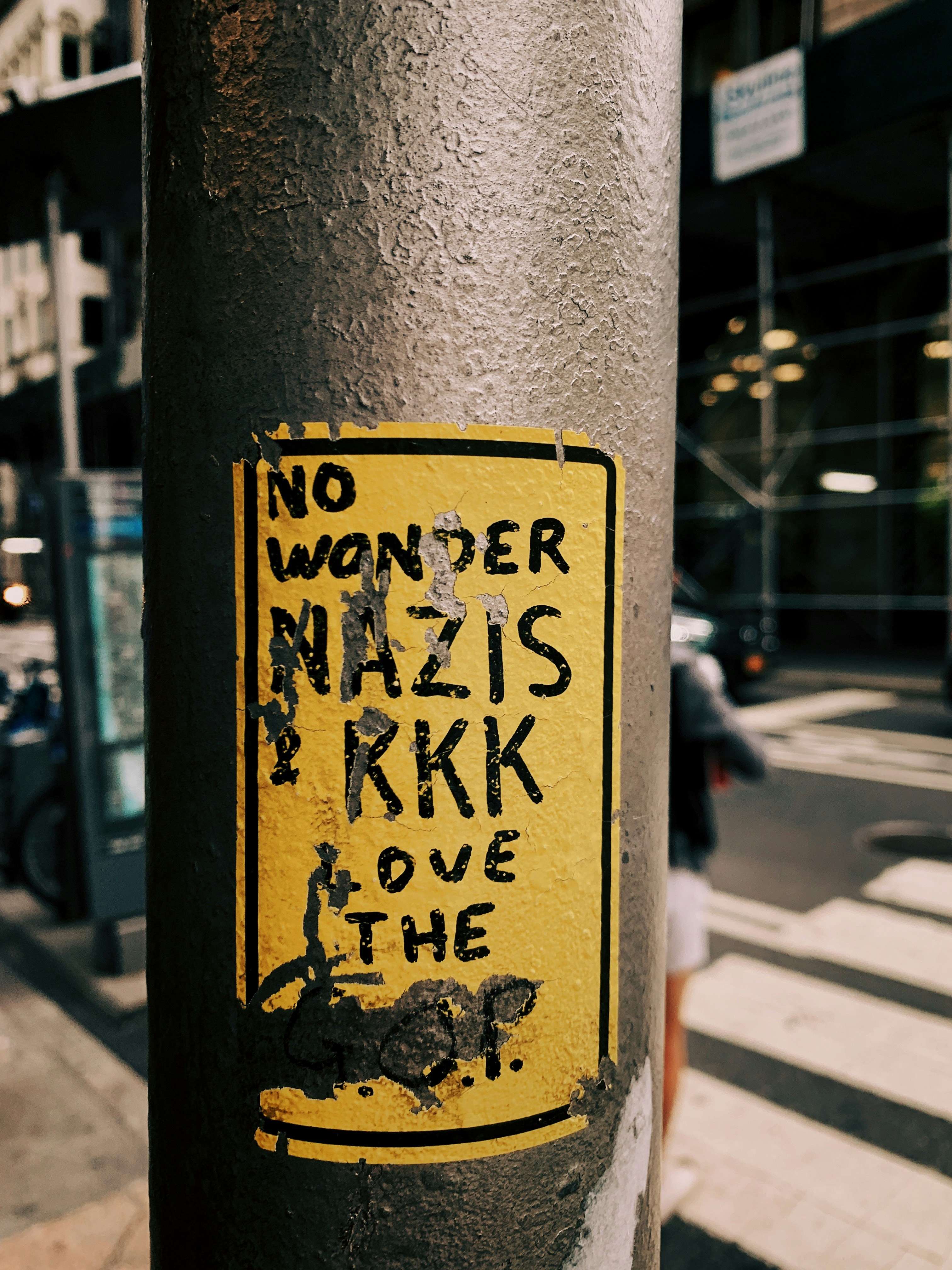
Introduction to Politics
Politics is a vital aspect of human society, encompassing the methods and practices through which power and governance are exercised. At its core, politics involves the processes by which groups make collective decisions, often reflecting the interests and values of the citizens within those groups. Understanding politics requires an exploration of the complex interplay between authority, governance, and the role individuals play in shaping their political environments.
Governance refers to the frameworks, institutions, and mechanisms through which political authority is established and exercised. This encompasses a variety of systems, including democracies, autocracies, monarchies, and more. Each of these governance forms possesses distinct characteristics, yet all aim to organize society, mediate conflicts, and pursue the common good. The authority vested in political leaders or governing bodies is what facilitates the ability to enforce laws, provide public services, and maintain social order, thereby ensuring stability within a society.
Power is another fundamental concept within politics, defined as the ability of individuals or groups to influence or control the behaviors of others. It exists in various forms, including coercive power, which relies on force, and persuasive power, which depends on the ability to convince. Moreover, the distribution of power within a society plays a significant role in determining political dynamics and the relationships between different social groups.
Furthermore, the role of citizens is paramount in any political system. Citizens are not merely passive recipients of political decisions; they actively engage in the political process through voting, advocacy, and civic participation. This engagement fosters accountability and can lead to societal changes when citizens advocate for their rights and interests. The evolution of politics shapes our understanding of collaborative governance, social justice, and the challenges and opportunities that arise within contemporary political landscapes worldwide.
Political Ideologies: A Closer Look
Political ideologies are foundational beliefs that shape political systems and influence policy decisions within societies. The major ideologies—liberalism, conservatism, socialism, and nationalism—have evolved through historical contexts and events, carving their places in the modern political landscape. Each of these ideologies encompasses a unique set of values that guide the behavior of political institutions and actors.
Liberalism emerged in the Age of Enlightenment, emphasizing individual freedoms, equal rights, and democratic governance. It advocates for civil liberties, free markets, and social progress, placing a strong emphasis on the importance of human rights and personal autonomy. In contemporary politics, liberalism often champions issues such as environmental protection, social justice, and globalization. This ideology has significantly impacted policy-making, leading to a focus on multiculturalism and inclusive governance.
Conversely, conservatism is rooted in a preference for tradition, social stability, and established institutions. Its core beliefs include a skepticism towards change and a desire for gradual reform rather than radical shifts. Conservatives often prioritize national sovereignty, law and order, and cultural heritage, promoting policies that reinforce social norms. This ideology influences various aspects of governance, often resulting in resistance to progressive reforms.
Socialism, with its origins in the response to industrial capitalism, seeks to address economic inequality through collective ownership or state control of resources. This ideology emphasizes social welfare, equitable distribution of wealth, and worker rights. In many nations, socialist principles have shaped policies concerning healthcare, education, and labor laws, advocating for a robust social safety net that aims to protect the vulnerable.
Lastly, nationalism is the ideology that emphasizes the interests, culture, and identity of a specific nation or group. It can foster pride and unity but has also been linked to exclusionary practices and ethnic tensions. Nationalist ideologies impact global politics by influencing immigration policies, foreign relations, and national security considerations.
Understanding these core political ideologies is crucial as they significantly shape contemporary policy-making and societal values. By examining their historical context and foundational beliefs, one can better comprehend the dynamics of modern politics.
Current Political Trends
In recent years, the landscape of global politics has undergone significant transformation. One of the most notable trends is the rise of populism, characterized by leaders who claim to represent the “ordinary people” against the established elite. This phenomenon has been observed in various countries, from the United States to Brazil, and has led to shifts in traditional party systems. Populist leaders often employ a rhetoric that highlights discontent with the status quo, tapping into economic anxieties and cultural divisions.
Another important trend is political polarization, which has deepened in many democracies. This increasing ideological divide hampers constructive dialogue and often leads to legislative gridlock. The nature of political debate has changed, as individuals increasingly align themselves with their chosen party’s narrative, making compromise a rarity. In the United Kingdom, for instance, polarization surrounding Brexit has revealed the challenges of governance in a divided society, showcasing how differing perspectives can lead to social unrest.
The role of social media in politics cannot be underestimated. Platforms such as Twitter and Facebook have emerged as powerful tools for political communication and grassroots mobilization. Politicians now engage directly with constituents, bypassing traditional media filters. However, this has also given rise to issues such as misinformation and echo chambers, where users interact only with like-minded perspectives, further entrenching polarization. The impact of social media on political campaigns, particularly during elections, underscores a significant shift in how individuals consume news and engage politically.
Furthermore, globalization has profoundly affected national policies, intertwining economies and cultures across the globe. Nations increasingly find their governance influenced by international treaties, trade agreements, and transnational issues such as climate change. This interconnectedness poses challenges as local governments must navigate the complexities of global crises while remaining responsive to their citizens’ needs.
These trends — populism, polarization, the rise of social media, and the effects of globalization — will continue to shape the future of governance and civil society. As nations grapple with these dynamics, understanding their implications becomes crucial for fostering informed political discourse and engaged citizenship.
The Role of Political Institutions
Political institutions play a crucial role in shaping the governance structure of a nation. They encompass various entities including parliaments, courts, and electoral bodies, each of which serves distinct yet interconnected functions within a democratic system. These institutions are essential for promoting stability, ensuring transparency, and maintaining accountability, thus forming the backbone of democratic governance.
Parliaments, often seen as the heart of democracy, facilitate the formulation and enactment of laws that reflect the will of the people. They provide a platform for debate and representation, allowing diverse voices to be heard in the legislative process. Through mechanisms such as committees and public consultations, parliaments strive to enhance transparency, enabling citizens to understand how decisions are made and on what basis. Furthermore, the effectiveness of parliamentary institutions depends on their ability to remain free from undue influence and corruption, which can erode public trust and undermine democratic legitimacy.
The judiciary, another vital political institution, acts as a guardian of the law, interpreting legislation and resolving disputes. Courts ensure that justice is administered impartially, serving as a check on the powers of the executive and legislative branches. However, challenges such as political interference and lack of resources can impede the judiciary’s ability to function effectively, potentially compromising its role in upholding the rule of law. Maintaining judicial independence is therefore critical to the integrity of the political system.
Electoral bodies, tasked with overseeing the electoral process, are instrumental in safeguarding free and fair elections. Their responsibilities include managing voter registration, conducting elections, and ensuring compliance with electoral laws. Challenges such as voter suppression, manipulation, and insufficient transparency can hinder their effectiveness, raising concerns about the legitimacy of electoral outcomes. Strengthening these bodies is essential to build public confidence in the democratic process.
Political Participation: Engaging Citizens
Political participation is a fundamental pillar of democratic governance, enabling citizens to actively contribute to the decision-making processes that affect their lives and communities. There are various avenues through which individuals can engage in politics, most notably voting, activism, and civic engagement. Each of these forms of participation plays a significant role in shaping policies and reflecting the will of the populace.
Voting remains the most recognized method of political participation. It provides citizens with the opportunity to choose their representatives and influence policies through elections at local, state, and federal levels. However, despite its importance, various barriers such as voter suppression, lack of access to information, and socioeconomic factors can impede citizens’ ability to vote. Addressing these obstacles is essential for ensuring that all segments of the population can participate meaningfully in the electoral process.
Activism and advocacy are other powerful forms of political participation. Citizens can engage in social movements, join organizations, or advocate for specific issues that resonate with their values. Activism can take many forms, from peaceful protests to lobbying efforts, all aimed at raising awareness and prompting action on critical societal issues. This form of engagement allows citizens to directly influence public policy and hold their leaders accountable.
Civic engagement extends beyond traditional political activities and encompasses a broader range of community-focused initiatives. This includes participating in town hall meetings, volunteering for community projects, or engaging in discussions on public policy. Such activities not only foster a sense of community but also empower citizens to contribute to the democratic process in meaningful ways.
In conclusion, political participation is vital for a functioning democracy. By understanding the different avenues for engagement and recognizing the barriers that exist, stakeholders can work towards creating a more inclusive political landscape that encourages and empowers all citizens to take an active role in shaping their governance.
The Influence of Media on Politics
The relationship between media and politics has evolved significantly in recent years, predominantly shaped by the rapid advancement of technology and the rise of digital platforms. Traditional news outlets and social media have emerged as pivotal forces in shaping public opinion and political narratives. Investigative journalism plays a critical role in holding public officials accountable, uncovering corruption, and informing citizens about vital issues that may otherwise remain obscured. By providing in-depth analysis and fact-based reporting, quality journalism strives to empower the electorate and promote a healthy democratic process.
However, the media landscape has also seen the proliferation of misinformation and disinformation, particularly via social media platforms. The ease of content sharing on these networks enables the rapid spread of false narratives that can manipulate public perception and erode trust in credible news sources. The challenge of distinguishing between reliable information and misleading content is a growing concern for voters, as misleading information can significantly influence political outcomes. As a result, it becomes imperative for citizens to develop critical media literacy skills, enabling them to navigate the complexity of information and discern credible reporting from questionable sources.
Ensuring a well-informed electorate relies heavily on the interplay between media responsibility and public engagement. As news outlets face pressures such as declining revenue and competition from alternative media channels, there is an ongoing discussion regarding their role in fostering informed citizens. Citizens, in turn, must play an active role in consuming information critically and supporting quality journalism that prioritizes truth over sensationalism. This symbiotic relationship is essential for a thriving democracy where the electorate is informed about the issues at stake. As the media landscape continues to evolve, the influence of media on politics remains a salient factor that warrants careful consideration and analysis.
International Politics and Global Governance
International politics plays a crucial role in shaping the dynamics of modern governance, as countries navigate complex relationships on the global stage. At the heart of international relations is diplomacy, which serves as a vital tool for states to collaborate, negotiate, and engage with one another amid a rapidly changing geopolitical landscape. The interactions between nations involve an array of challenges, including trade disputes, territorial conflicts, and varying political ideologies, all of which influence global governance structures.
The United Nations (UN), established to promote peace and cooperation among nations, exemplifies a critical framework for addressing contemporary global issues. As a prominent body in international politics, the UN facilitates dialogue and supports collaborative efforts to tackle pressing matters such as climate change, terrorism, and public health crises like pandemics. Through various specialized agencies, the UN works with member states to craft policies and initiatives that reflect a collective commitment toward creating a safer and more equitable world.
Current geopolitical challenges illustrate the intricate nature of international relations. Trade disputes, for example, can escalate tensions between countries, impacting global markets and economies. Meanwhile, conflicts in regions such as Eastern Europe and the Middle East continue to demand a coordinated response from the international community. It is imperative for nations to engage in dialogue and exercise diplomatic strategies to find peaceful resolutions, underscoring the need for cooperation in international politics.
The increasing interdependence among countries also emphasizes the importance of global governance as we confront shared threats, such as climate change. Collaborative frameworks enable nations to pool resources, share knowledge, and create sustainable initiatives that benefit the global community. Through effective international politics, nations can work together to foster stability, security, and sustainable development, paving the way for a more harmonious coexistence in the modern world.
Challenges Facing Modern Politics
In the contemporary political landscape, several formidable challenges threaten the frameworks of democratic governance and social equity. Among the most pressing of these is the rising tide of authoritarianism, which has manifested globally in various forms. Countries such as Hungary and Turkey exemplify how political leaders can undermine democratic institutions and curtail civil liberties, often under the guise of national security or economic stability. This trend not only erodes public trust in governmental systems but also stifles political discourse, paving the way for further autocratic practices.
Climate change represents another significant challenge that modern politics must confront. With the scientific consensus underscoring the urgency of addressing environmental degradation, political responses remain inconsistent. For instance, nations continue to grapple with balancing economic growth with sustainability. The Paris Agreement serves as a testament to international efforts; however, many countries still fail to meet their commitments, demonstrating a gap between political promises and on-the-ground actions. Fostering collaborative frameworks for green technologies and transitioning to renewable energy sources are vital steps that require collective political will.
Social injustice and economic inequality further complicate the political dynamics prevalent in today’s societies. Movements advocating for racial and gender equality, as seen in the Black Lives Matter and Me Too campaigns, highlight the systemic inequities that persist in modern democracies. These movements not only challenge existing power structures but also demand a reevaluation of policies that perpetuate inequality. Addressing these injustices necessitates comprehensive reforms across various sectors, including education, healthcare, and employment, to ensure equitable opportunities for all citizens.
In addressing these intertwined challenges, political leaders must engage in open dialogue, foster international cooperation, and promote inclusive policy-making practices. By prioritizing transparency and accountability, they can work towards building resilient political systems that not only withstand these adversities but also thrive in addressing the needs of contemporary society.
Conclusion: The Future of Politics
In the current political landscape, the convergence of technology, globalization, and shifting social ideologies presents both challenges and opportunities for governance and citizen engagement. Throughout this blog post, we have dissected essential trends shaping modern politics, including the rise of populism, the impact of social media on political discourse, and the growing importance of environmental policies. Each of these elements contributes to an intricate tapestry that defines contemporary governance.
One notable outcome of recent political trends has been the increasing polarization in societies, catalyzed by the dissemination of information via digital platforms. As individuals become more entrenched in their beliefs, the challenge for political leaders lies not only in fostering dialogue but also in building a sense of community across ideological divides. This need for unity underscores the critical importance of promoting comprehensive education and civic engagement, which can empower citizens to become informed participants in the political process.
Furthermore, addressing pressing global issues such as climate change necessitates collaborative approaches that transcend national borders. Political leaders must recognize the interconnectedness of global challenges and work collectively with international organizations to devise sustainable solutions. This requires innovation in political thought and the adaptation of frameworks to accommodate diverse perspectives and visions for the future.
As we look ahead, the political arena will likely see an increased focus on inclusivity and participatory governance. Embracing technology will also play a pivotal role in enhancing transparency and accountability, allowing citizens to engage more effectively with their leaders. By addressing the challenges highlighted, societies can forge a path turning recent disruptions into opportunities, ultimately leading to a more resilient and engaged citizenry.

Introduction to Global Politics
Global politics is a multifaceted domain that encompasses the interaction of political systems, actions, and policies among states and non-state actors at an international level. It refers to the ways in which countries engage with one another, negotiate treaties, and address global challenges that transcend borders such as climate change, security threats, and economic disparities. The significance of global politics lies in its profound impact on international relations, particularly in shaping diplomatic ties, trade agreements, and conflict resolution strategies.
At its core, global politics involves the examination of how government decisions, societal values, and geopolitical factors intertwine to influence trends and developments across the globe. The rapid pace of globalization has exacerbated the interconnectedness of national politics, demonstrating that local issues are often inextricably linked to global phenomena. For instance, the rise of populist movements in various countries reflects broader economic and social tensions that resonate beyond individual nations. Political decisions made in one country can have cascading effects that ripple through international systems, making it crucial to adopt a comprehensive outlook when analyzing global politics.
Moreover, contemporary issues such as migration crises, pandemics, and terrorism require cooperative international responses, prompting countries to engage in multilateral dialogues and partnerships. The dynamics of power, influenced by trends like the shifting balance between established global powers and emerging economies, are central to understanding the current political landscape. Such dynamics not only affect bilateral relationships but also call into question existing global governance frameworks, including organizations like the United Nations and regional alliances.
Major Political Events of 2023
The year 2023 has been marked by a series of significant political events that have shaped the current landscape of global politics. A notable highlight was the presidential election in Brazil, where President Luiz Inácio Lula da Silva faced various challenges, including economic turmoil and social unrest. His administration has emphasized social policies aimed at reducing inequality, offering a glimpse into how domestic policy can impact broader regional stability in South America.
In Europe, the conflict between Russia and Ukraine continued to dominate headlines, influencing international relations and defense strategies among NATO countries. This enduring conflict has prompted refinements to existing military alliances and led to new policy formulations aimed at bolstering defense mechanisms in Eastern Europe. Moreover, the European Union has been engaged in discussions to enhance energy security, particularly in light of disruptions caused by the conflict, showcasing how geopolitical tensions can elevate concerns over energy dependence.
Asia also witnessed critical developments, especially during the recent parliamentary elections in India. The ruling Bharatiya Janata Party (BJP) has maintained a significant majority, allowing it to pursue its agenda focused on economic growth and national security. However, rising dissent from opposition parties highlights the interplay between governance and civil liberties in the region. Across the continent, the ongoing tensions in the South China Sea, as nations grapple with territorial disputes, further underscore the complexity of international relations.
In Africa, the political landscape has seen shifts as multiple countries, including Nigeria and Ethiopia, held elections amid pressing issues such as climate change and economic viability. The dialogue surrounding global environmental concerns is increasingly intersecting with political agendas, reflecting a broader trend toward integrating sustainability into national policy frameworks. Collectively, these events in 2023 illustrate how political occurrences resonate across regions, influencing and reflecting the evolving dynamics of global politics.
Key Political Figures Shaping Today’s Politics
In the realm of global politics, various leaders have emerged as pivotal figures, influencing national and international dynamics. Among these, the leaders of major nations and heads of international organizations play crucial roles. This section will profile some of these influential political figures, highlighting their leadership styles, ideologies, and the impact of their policies on contemporary issues.
For instance, the President of the United States has often been at the forefront of international discussions, influencing global trade, security, and climate policies. With a blend of pragmatism and ideological commitment, the current administration has sought to reshape America’s role on the world stage, emphasizing multilateral engagement and diplomacy. Such strategies often signal shifts in foreign policy that resonate globally, affecting international relations.
In Europe, the Chancellor of Germany has also assumed a central role amidst changing political landscapes. Known for her pragmatic and consensual approach, she has navigated complex issues such as immigration policy and economic stability within the European Union. Her leadership style emphasizes collaboration, which has helped maintain unity among EU member states during challenging times.
Furthermore, leaders from emerging economies have gained prominence in global discussions. The Prime Minister of India, for instance, embodies a vision of national sovereignty and development, advocating for a multipolar world order. His policies focus on economic reform and technological advancement, which resonate with younger populations, shaping domestic and international outlook.
Meanwhile, heads of international organizations, such as the Secretary-General of the United Nations, have been instrumental in advocating for global cooperation on pressing issues. Their ability to mediate conflicts, promote human rights, and address climate change underlines the importance of collaborative governance in the contemporary political landscape.
Each of these political figures, through their distinctive leadership styles and ideologies, shapes not only their domestic agendas but also the broader global political environment. Understanding their contributions and approaches is essential for analyzing current trends and developments in international politics.
Impact of Social Movements on Politics
In recent years, grassroots movements and protests have gained prominence, significantly influencing the political landscape across the globe. These social movements, which advocate for themes such as climate action, racial justice, and gender equality, have catalyzed political change and forced governments to reconsider their policies and priorities. The rise of digital communication platforms has enhanced the visibility and reach of these movements, enabling a broader audience to engage with their causes.
One notable example is the climate action movement, epitomized by global protests initiated by groups like Fridays for Future, spearheaded by activist Greta Thunberg. This movement has galvanized public awareness about environmental issues, pushing political leaders to enroll in dialogues addressing climate change. Governments are increasingly compelled to respond to this pressure by committing to more ambitious environmental policies and fostering discussions on sustainability.
Similarly, movements advocating for racial justice, such as Black Lives Matter, have been pivotal in reshaping conversations around systemic racism and law enforcement practices. This movement ignited worldwide protests following high-profile incidents of racial violence, demanding accountability and reform. As a result, many governments are now reassessing their approaches to policing, criminal justice, and community relations in an effort to address these pressing concerns.
Gender equality movements have also influenced policy-making significantly. Campaigns aimed at combating gender-based violence and promoting equal rights have gained traction, prompting legislative reforms in various countries. These grassroots initiatives have often been instrumental in shaping public opinion, leading to changes in laws and policies that aim to promote gender equity.
Thus, social movements serve not only as a reflection of societal issues but also as catalysts for political change, compelling governments to adapt and respond to the demands of their citizens. Their cumulative impact continues to reshape governance and policy agendas, illustrating the power of collective action in the contemporary political arena.
The Role of Technology in Modern Politics
The integration of technology into the realm of politics has markedly transformed political communication, public engagement, and electoral processes. Advancements in technology, particularly through social media, have democratized information dissemination, allowing for diverse voices and perspectives to be amplified. Platforms such as Twitter, Facebook, and Instagram enable politicians and activists to engage with the public in real-time, fostering a more participatory form of democracy. This accessibility has empowered citizens to voice their opinions, organize movements, and hold political leaders accountable.
However, the role of technology in modern politics is not devoid of challenges. One of the most significant issues is the proliferation of misinformation and disinformation. Social media platforms, while facilitating open dialogue, can also serve as breeding grounds for false narratives and propaganda. This can mislead voters and distort public perception, posing a threat to the integrity of democratic processes. The rapid spread of inaccurate information often outpaces the efforts of fact-checkers and regulatory bodies, creating an environment where citizens may struggle to discern fact from fiction.
Moreover, the rise of advanced technologies, such as artificial intelligence (AI), has introduced complex dynamics into political contests. AI applications can analyze vast amounts of data to predict voter behavior and tailor campaign messages to individuals more effectively. While this can enhance electoral strategies, it raises ethical concerns regarding privacy and data security. The potential for digital surveillance of citizens has increased, sparking debate about the balance between security and personal freedoms.
As technology continues to shape the political landscape, it is crucial for policymakers and stakeholders to navigate its implications thoughtfully. Ensuring that technology serves to strengthen democratic principles, rather than undermine them, will be imperative for the future of global politics.
Global Challenges and Political Responses
The contemporary global landscape is characterized by numerous challenges that significantly impact political dynamics across nations. Among these issues, climate change, economic inequality, and geopolitical tensions stand out as focal points for national and international discussions. These challenges require coordinated political responses, yet they often reveal deep divisions and conflicting interests among countries.
Climate change poses one of the most significant threats to global stability, necessitating urgent action from political leaders worldwide. International agreements, such as the Paris Agreement, aim to unify nations in combating this pressing issue. However, the political will to adhere to and implement these commitments varies considerably. Some leaders prioritize economic growth and resource exploitation over environmental protection, leading to tensions in negotiations and exacerbating divisions between developed and developing countries.
Economic inequality also remains a paramount concern, fueling social unrest and political upheaval in various regions. In many areas, the gap between the wealthy and the poor continues to widen, leading to calls for systemic reform. Political responses range from increasing taxation on the affluent to implementing social welfare programs aimed at redistribution. However, such measures frequently face resistance from differing ideological perspectives, creating further polarization within and between nations.
Geopolitical tensions, fueled by competition for resources, territorial disputes, and ideological differences, add another layer of complexity to global politics. As nations navigate their national interests, the potential for conflict increases, often stifling opportunities for collaboration. Initiatives like multilateral summits and diplomatic dialogues seek to foster cooperation, but the effectiveness of these efforts is often hindered by historical grievances and nationalistic sentiments.
In conclusion, addressing these multifaceted global challenges requires not only political will but also a commitment to collaboration and compromise. As nations respond to these pressing issues, the balance between cooperation and divergence will ultimately shape the future of global politics.
The Future of International Relations
The landscape of international relations is continuously evolving, reflecting underlying trends and historical patterns that shape the interactions among states and non-state actors. As we look to the future, several key factors will significantly influence international relations, driving either cooperation or conflict on a global scale. Firstly, the rise of multipolarity represents a shift away from a unipolar world dominated by a single superpower, particularly the United States. Countries like China and India are becoming increasingly influential, which may lead to new alliances and rivalries, reshaping diplomatic interactions.
Additionally, global challenges such as climate change, pandemics, and economic inequality will require heightened international cooperation. Nations may be compelled to set aside their differences to address shared concerns. Institutions like the United Nations and regional organizations may play pivotal roles in facilitating collaboration among nations, although their effectiveness remains subject to the political will of member states. This pressure for cooperation may lead to new frameworks for global governance that prioritize collective responses to these pressing issues.
On the other hand, the proliferation of nationalism and protectionist policies in various countries risks exacerbating tensions. In a world where states increasingly prioritize their own interests over collaborative solutions, potential flashpoints for conflict may arise, including territorial disputes and trade wars. Additionally, the revival of authoritarianism in some regions poses a challenge to the liberal international order, leading to a more fragmented geopolitical environment. The future may thus mirror historical patterns where periods of cooperation are punctuated by phases of rivalry and conflict.
Ultimately, the trajectory of international relations remains uncertain. Various nations and organizations will undoubtedly play critical roles in shaping a cooperative or conflictual future. As trends develop, the potential for collaboration or contention will continue to manifest, influencing global stability and the well-being of societies worldwide.
Public Opinion and Political Discourse
Public opinion plays a vital role in shaping political discourse across the globe. It encompasses the collective attitudes, beliefs, and sentiments of individuals on various political issues, which can significantly influence policy decisions and political narratives. In today’s interconnected world, media serves as a primary conduit through which public opinion is formed and expressed. The omnipresence of social media platforms, traditional news outlets, and political commentary creates an environment where information is rapidly disseminated, shaping how citizens perceive issues and candidates.
The evolution of public sentiment is often reflected in the changing attitudes toward government policies and political figures. For instance, significant events such as economic crises, health emergencies, or social movements can shift public priorities and concerns. Politicians and policymakers monitor these sentiments closely, as they recognize the necessity of aligning their decisions with the prevailing public mood to maintain legitimacy and support. This constant interplay between public opinion and political decision-making illustrates the importance of responsiveness in governance.
Moreover, ideological divisions within societies contribute to the complexity of public opinion and political discourse. In many countries, citizens find themselves polarized along ideological lines, which can lead to the creation of echo chambers where individuals are primarily exposed to viewpoints that reinforce their existing beliefs. Such divisions complicate the landscape of public opinion and can hinder constructive dialogue, making it increasingly challenging to reach consensus on critical issues. Consequently, the diversity of opinions present within a society necessitates nuanced approaches from leaders, who must strive to bridge divides and foster inclusiveness.
Ultimately, understanding the nuanced relationship between public opinion and political discourse is essential for comprehending the current landscape of global politics. As public sentiment continues to evolve, it will invariably shape the future trajectory of governance and policy decisions worldwide.
Conclusion: Navigating the Complexities of Politics
In today’s rapidly evolving political landscape, the intricacies of global politics are more pronounced than ever. Various factors, including economic disparities, social movements, and regional conflicts, contribute to the dynamic nature of international relations. The trends observed in recent years indicate a shift toward multipolarity, where multiple nations play pivotal roles in shaping global frameworks. As such, understanding these shifts is essential for individuals and governments alike.
Engagement in international political discourse is of paramount importance. Citizens must remain informed about key developments that could influence not only their domestic policies but also international relations. For example, diplomatic negotiations, trade agreements, and military alliances profoundly impact economic stability and security across borders. Moreover, the rise of digital platforms has allowed for greater access to information, enabling more individuals to participate in discussions about politics and governance.
Furthermore, the interplay of domestic and foreign policies underscores the interconnectedness of global politics. As nations grapple with internal challenges, such as social inequality and climate change, they must also navigate external pressures and expectations. The complexities involved require a keen understanding of both local contexts and broader international implications. Hence, the relevance of political engagement and awareness cannot be overstated.
Ultimately, as individuals traverse this complex landscape of global politics, continuous learning and critical analysis of trends are vital. By staying informed, citizens can contribute to constructive dialogues that foster mutual understanding and cooperation among nations. In conclusion, the engaging yet complex nature of contemporary politics reinforces the necessity for ongoing engagement in both local and global contexts, paving the way for more informed decisions and outcomes in the political sphere.
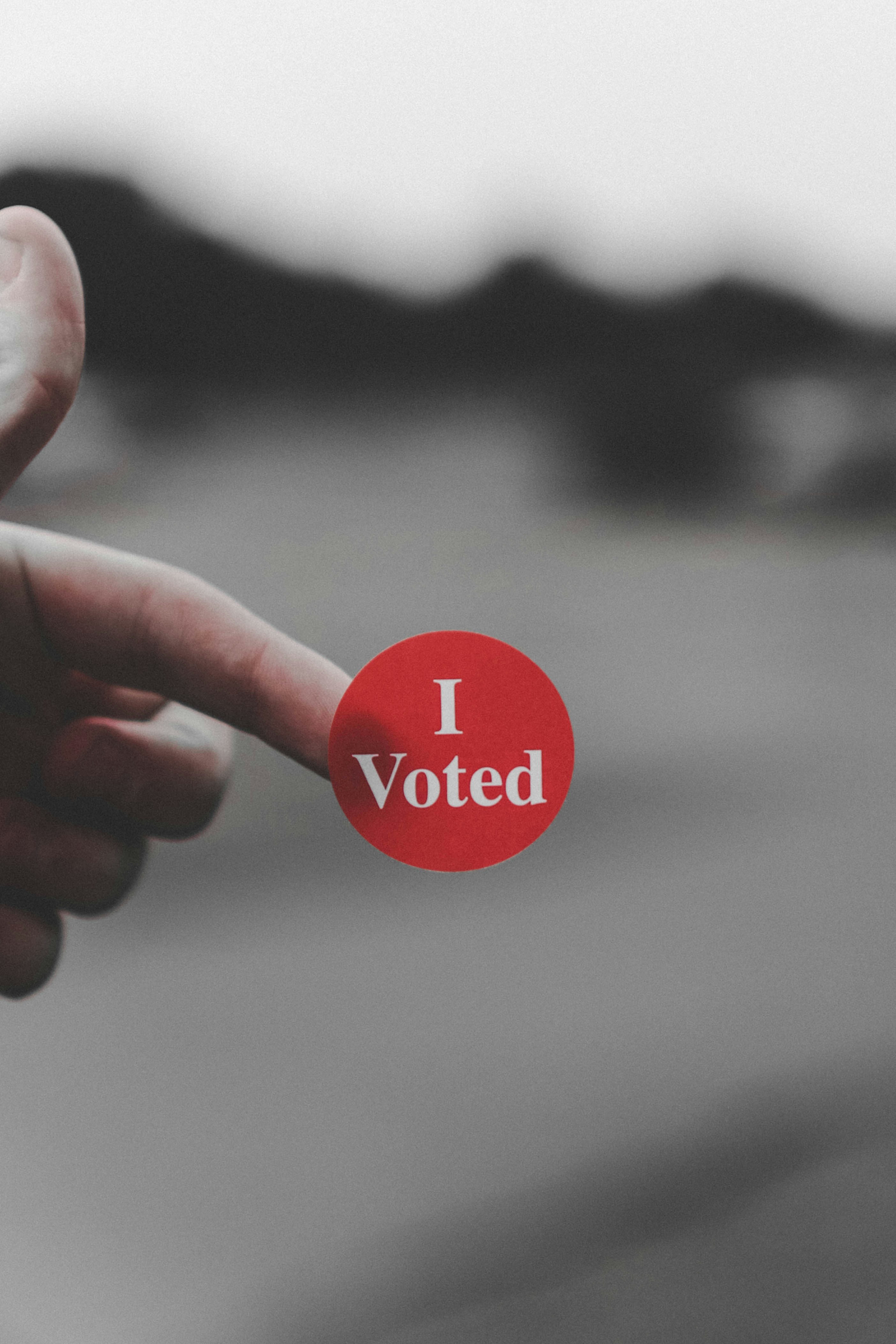
The Significance of Voting
Every election presents a crucial opportunity for citizens to express their opinions and influence the future of their communities. For first-time voters, engaging in this democratic process is particularly vital. Voting is not just a right; it is a powerful tool that can shape the trajectory of local and national policies.
Understanding Your Impact
Did you know that elections can be decided by a remarkably small number of votes? In many instances, a handful of ballots can swing the outcome of a race. This reality underscores the importance of participation. First-time voters have the potential to create significant change by simply casting their votes. Each vote counts and contributes to the collective voice of the population, highlighting the need for everyone to get involved.
Emotional Connection to Voting
Voting is often connected to deeply held beliefs and values. For many first-time voters, their decision to vote is influenced by personal stories, experiences, and aspirations for the future. The act of voting can evoke feelings of empowerment, responsibility, and hope. It’s about more than just choosing a candidate; it’s about standing up for issues that matter and advocating for oneself and one’s community.
In conclusion, taking the initiative to vote is crucial for first-time voters. By participating in elections, they can make their voices heard and contribute to the democratic process. Embrace this opportunity to shape a better future!

Introduction: The Rise of Social Media
Over the past two decades, social media has emerged as a transformative force in the communication landscape. Initially conceived as platforms for social interaction, these digital spaces have evolved into complex ecosystems that facilitate information sharing, community building, and political engagement. The rise of social media can be traced back to early platforms such as Friendster and MySpace, which laid the groundwork for the subsequent explosion of services like Facebook, Twitter, Instagram, and TikTok. Each of these platforms has introduced unique functionalities that appeal to diverse audiences, particularly the younger demographic.
As social media platforms have gained prominence, they have also significantly altered the way information is disseminated and consumed. This shift not only democratized access to information but also diversified the sources from which it can be gathered. Young voters, who are often the most active demographic on these platforms, find themselves exposed to a plethora of viewpoints, news content, and political messaging at unprecedented rates. The visual and interactive nature of social media entails that political information is now accompanied by videos, memes, and live-streamed events, contributing to a more engaged and informed electorate.
The integration of social media into everyday life has also led to changes in communication strategies employed by political parties and candidates. Traditional methods such as televised debates and pamphlets are increasingly supplemented—or replaced—by targeted advertisements and viral campaigns on social networks. This evolution underscores the pivotal role that social media plays in shaping political discourse, especially among younger voters who are keen to engage with issues that resonate with their values and priorities.
Understanding the evolution of social media is essential to grasping its impact on young voters within democratic countries. By exploring how these platforms have facilitated new forms of communication and engagement, we can better examine their influence on voter behavior and political outcomes in contemporary elections.
Understanding the Young Voter Demographic
The term “young voters” typically refers to individuals aged 18 to 29, though the exact age range can vary depending on the context. This demographic group is characterized by its diverse backgrounds, varying socio-economic statuses, and differing levels of education. As digital natives, young voters have grown up in an era influenced heavily by technology and social media, which shapes their perspectives and political engagement. Their voting behavior often reflects a blend of idealism and pragmatism, indicating a desire for change while also recognizing the complexities of political issues.
Young voters tend to prioritize issues that directly impact their lives, such as climate change, education reform, and social justice. Unlike older generations, who may focus more on economic stability or foreign policy, young voters are often more concerned with equity and sustainability. Their experiences and values influence their political preferences, making it essential for political parties to address these issues to engage this demographic effectively. Additionally, young voters often demonstrate a higher propensity for activism and community engagement, which can manifest in various forms, from grassroots organizing to participation in online campaigns.
Furthermore, the political engagement of young voters is significantly affected by how they consume information. Most young individuals rely on social media platforms for news and political content, allowing them to access diverse viewpoints and foster discussions. This reliance on social media not only shapes their understanding of political issues but also affects their perceptions of candidates and parties. Unlike previous generations who may have engaged more through traditional media like television or print, young voters utilize platforms like Twitter, Instagram, and TikTok to express their opinions and mobilize others. The blend of their unique concerns and the methods through which they receive information sets the stage for understanding the profound influence of social media on this critical voter demographic.
The Role of Social Media in Political Awareness
In recent years, social media has emerged as a pivotal tool in shaping political awareness among young voters in democratic countries. Platforms such as Instagram, Twitter, and TikTok have redefined how political information is disseminated, creating channels for engagement and activism that were previously unavailable to younger demographics. This is particularly important, given that many young individuals rely predominantly on these platforms for news and information.
Social media allows for the rapid dissemination of political content, ranging from breaking news to grassroots organizing efforts. Through posts, stories, and tweets, young voters can access a variety of perspectives on critical issues affecting their communities and the country at large. Unlike traditional media, which often presents a more rigid format, social media engages users in a more interactive dialogue. For instance, a young voter may participate in discussions surrounding election candidates or legislative measures by sharing posts, commenting, or even creating their own content.
Moreover, social media platforms serve as an invaluable resource for political education and awareness. Nonprofit organizations and advocacy groups utilize these channels to spread awareness about voter registration deadlines, key election dates, and significant policy issues. For example, on Instagram and TikTok, informative graphics or short videos can potentially reach thousands, motivating engagement and action. With algorithms that prioritize content based on user interests, young voters are more likely to encounter information that resonates with them personally.
The interactive nature of these platforms enables users to engage with the political process more actively. Instead of passively consuming information, young voters can interact with candidates, share their viewpoints, and mobilize their peers. This participatory culture deepens political engagement and fosters a sense of community among young voters, enhancing their overall political awareness and involvement in democratic processes.
Social Media Campaign Strategies Targeting Young Voters
In recent years, social media has emerged as a pivotal platform for political campaigns aiming to mobilize young voters. Various strategies have been developed to engage this demographic effectively, leveraging the unique dynamics of social media to resonate with their values and interests. One of the most prominent strategies is targeted advertising. By utilizing data analytics, campaigns can design advertisements directed specifically at younger audiences based on their online behavior and preferences. This approach not only increases visibility but also ensures that the messages conveyed align with the interests of young voters, thus boosting the likelihood of engagement.
Another effective strategy is the collaboration with influencers who hold significant sway over the youth demographic. These individuals, often seen as relatable and authentic, can be instrumental in amplifying campaign messages. By partnering with popular social media figures, political campaigns can craft narratives that feel organic and trustworthy. Influencers typically employ storytelling techniques that resonate with their followers, making political discussions more accessible and compelling. As a result, campaigns can cultivate a sense of community around political activism, driven by peer influence rather than traditional top-down messaging.
Viral campaigns also play a crucial role in capturing the attention of young voters. Engaging content that encourages interaction—such as memes, challenges, or shareable graphics—can spread rapidly across social media networks. Such content often relies on humor or relatability to establish a connection with the audience, encouraging them to participate in the discourse. When strategized effectively, these viral campaigns can transcend geographic boundaries and lead to increased grassroots support, as young voters feel empowered to share information within their networks.
Overall, the integration of targeted advertising, influencer partnerships, and viral content exemplifies the innovative strategies that political campaigns employ to connect with young voters on social media. The effectiveness of these methods underscores the growing importance of digital platforms in shaping the political landscape, specifically among the younger generations.
The Impact of Misinformation on Young Voters
The proliferation of social media has revolutionized the landscape of information dissemination, particularly among young voters who actively engage with various platforms. However, this transformation comes with significant drawbacks, especially concerning the rise of misinformation and disinformation campaigns. These false narratives can shape perceptions, influence beliefs, and ultimately affect the electoral choices made by young voters. The susceptibility of this demographic to misleading information is heightened due to several factors, including their relative inexperience in critically evaluating news sources.
Young voters are often inundated with an overwhelming amount of information, making it challenging to discern credible content from misinformation. Social media algorithms tend to prioritize sensational and polarizing content, which often leads users down pathways of distorted facts. As a result, misleading narratives can spread rapidly, creating echo chambers where false claims are reinforced rather than challenged. This phenomenon not only jeopardizes the integrity of informed voting but also cultivates a distrust in legitimate sources of information.
In response to these challenges, fact-checking organizations have surged in prominence, aiming to counteract the effects of misinformation. These entities provide valuable services by assessing the veracity of claims circulating on social media, offering guidance to young voters on what constitutes reliable information. Moreover, social media platforms are increasingly recognizing their role in curating content and are introducing measures to enhance accountability. These include labeling false information, reducing its visibility, and promoting educational campaigns about media literacy.
As the influence of social media continues to expand, it is crucial for young voters to develop discerning habits that empower them to navigate the complex information landscape. Addressing the issue of misinformation not only fosters a well-informed electorate but also upholds the democratic principles that are fundamental to electoral processes in democratic countries.
Youth Activism: Social Media as a Mobilizing Tool
In recent years, social media platforms have emerged as vital tools for youth activism, significantly influencing young voters in democratic countries. With the proliferation of smartphones and easy access to the internet, platforms such as Twitter, Instagram, and TikTok have enabled young individuals to connect, organize, and amplify their voices regarding pressing social issues. The engagement of young voters through these platforms has been noteworthy, particularly in areas like climate change, social justice, and mental health awareness. These topics have garnered massive attention and mobilization efforts driven specifically by youth.
The efficacy of social media as a mobilizing instrument lies primarily in its ability to facilitate instant communication and information dissemination. Campaigns can be organized quickly, reaching a vast audience and evoking widespread support. For instance, movements such as Fridays for Future illustrate how young activists leverage social media to organize climate strikes, emphasizing their commitment to sustainable environmental practices. They not only share educational content but also create viral hashtags, encouraging global participation and challenging governments to enact significant policy changes in climate action.
Furthermore, social media allows for community building among young voters who are passionate about social justice. With the rise of movements like Black Lives Matter, individuals can share personal stories, form coalitions, and mobilize supporters through their networks. This online familiarity translates into real-world impact, as young voters feel empowered to advocate for equity and systemic change. Similarly, mental health awareness has seen a surge in engagement on social media, with campaigns that reduce stigma and promote resources, effectively rallying support from peer networks.
Ultimately, social media serves as a powerful catalyst for youth activism, driving young voters to participate actively in political discourse and societal transformation. As these platforms continue to evolve, their role in fostering this activism will likely expand, reinforcing the significant influence of the youth voice in shaping the future of democratic engagement.
Breaking Down Political Polarization through Social Media
The advent of social media has significantly influenced political discourse, particularly among young voters in democratic countries. One notable effect is the heightened political polarization that social media platforms can exacerbate. Echo chambers, formed by algorithms that tailor content to users’ preferences, often lead individuals to engage predominantly with like-minded peers. This self-reinforcing cycle can intensify pre-existing beliefs and stifle exposure to opposing viewpoints, resulting in a fragmented political landscape. When young voters are primarily exposed to content that aligns with their beliefs, their ability to engage in constructive dialogue with differing perspectives diminishes.
Conversely, social media also serves as an avenue for diverse viewpoints and dialogue. These platforms allow young voters to connect with individuals across different backgrounds, thereby facilitating discussions that transcend geographical and ideological boundaries. The openness of platforms such as Twitter, Instagram, and Facebook enables a sharing of ideas and experiences that may challenge traditional political narratives. Young voters who might otherwise engage only with homogenous political circles can, through social media, encounter a variety of opinions, fostering a more nuanced understanding of complex political issues.
This duality of social media’s influence on political polarization underscores its powerful role in shaping the opinions of young voters. On one hand, the potential for echo chambers can restrict critical engagement with opposing views. On the other, the provision of a platform for diverse discourse can encourage meaningful engagement and a broader understanding of the political spectrum. As platforms continue to evolve, the responsibility falls on both users and content creators to promote constructive conversations that can bridge divides rather than deepen them. The ongoing challenge remains in leveraging the strengths of social media while mitigating the risks of polarization among younger generations.
Future Trends: The Evolving Landscape of Social Media and Voting
As elections advance and the digital age progresses, the relationship between social media and young voters is expected to evolve significantly. Emerging platforms are continually reshaping how information is disseminated and how voters engage with political content. For instance, platforms like TikTok have already begun to influence political discourse among younger demographics, attracting millions of active users. The bite-sized video format caters to the shorter attention spans associated with youth, encouraging authentic political messaging delivered through creative content. As these platforms develop and new ones arise, their impact on voter engagement will likely become even more pronounced.
The evolution of user engagement is another critical trend to watch. Young voters are increasingly seeking interactive experiences rather than passive consumption of information. Social media platforms are expected to incorporate features that allow for real-time discussions, question-and-answer sessions, and live-streamed events, fostering a more participatory democratic process. Additionally, user-generated content is projected to play a larger role in shaping electoral narratives. This shift towards personalization and active involvement may help young voters feel more connected to the electoral process, thereby increasing turnout rates in future elections.
As the political landscape changes, so too will the regulations surrounding social media and political advertising. Stricter guidelines may emerge to address issues of misinformation, targeted advertising, and the overall transparency of political campaigns. Governments and regulatory bodies are likely to take a closer look at social media practices to ensure that the integrity of elections is maintained. These discussions could lead to significant reforms in how candidates and political parties interact with potential voters via social platforms.
In conclusion, the interaction between social media and young voters is poised to become increasingly complex. Anticipated changes in platform dynamics, user engagement methods, and regulatory frameworks will all play essential roles in shaping how young voters participate in the democratic process of future elections.
Conclusion: The Lasting Impact of Social Media on Democracy
In examining the influence of social media on young voters in democratic countries, it becomes evident that these platforms play a pivotal role in shaping political engagement and outcomes. The rise of social media has transformed the way political information is disseminated and consumed, particularly among the youth. As digital natives, younger demographics are increasingly reliant on social media channels for news, discussions, and the mobilization of political action. This trend highlights the substantial impact that social media has on electoral participation, political awareness, and voter decision-making processes.
Throughout the discussion, we have observed how social media provides a space for political discourse and activism. Young voters are not only passive consumers of information; they actively engage in conversations, share their views, and rally their peers, thus amplifying their collective voice. The ability to connect with like-minded individuals and access diverse perspectives fosters a sense of political community among the youth. Consequently, this engagement can lead to higher voter turnout rates and increased willingness to advocate for issues that resonate with their generation.
Moreover, social media’s ability to facilitate real-time communication allows for rapid dissemination of information regarding elections, policies, and candidate platforms. This immediacy serves as a double-edged sword, as it can both inform and misinform. The prevalence of misinformation poses significant challenges; however, it also encourages young voters to develop critical thinking skills and discern credible sources. The importance of civic responsibility is underscored as the youth navigate these digital landscapes, reinforcing their role in a functioning democracy.
Ultimately, the ongoing engagement of younger voters in social media platforms will likely continue to shape the political landscape in the years to come. As these individuals grow older and assume greater roles in democratic processes, the influence of social media may empower them to advocate for reforms, inclusivity, and accountability within their governments. The challenge remains for society to ensure that this digital landscape fosters a healthy and informed democratic dialogue.
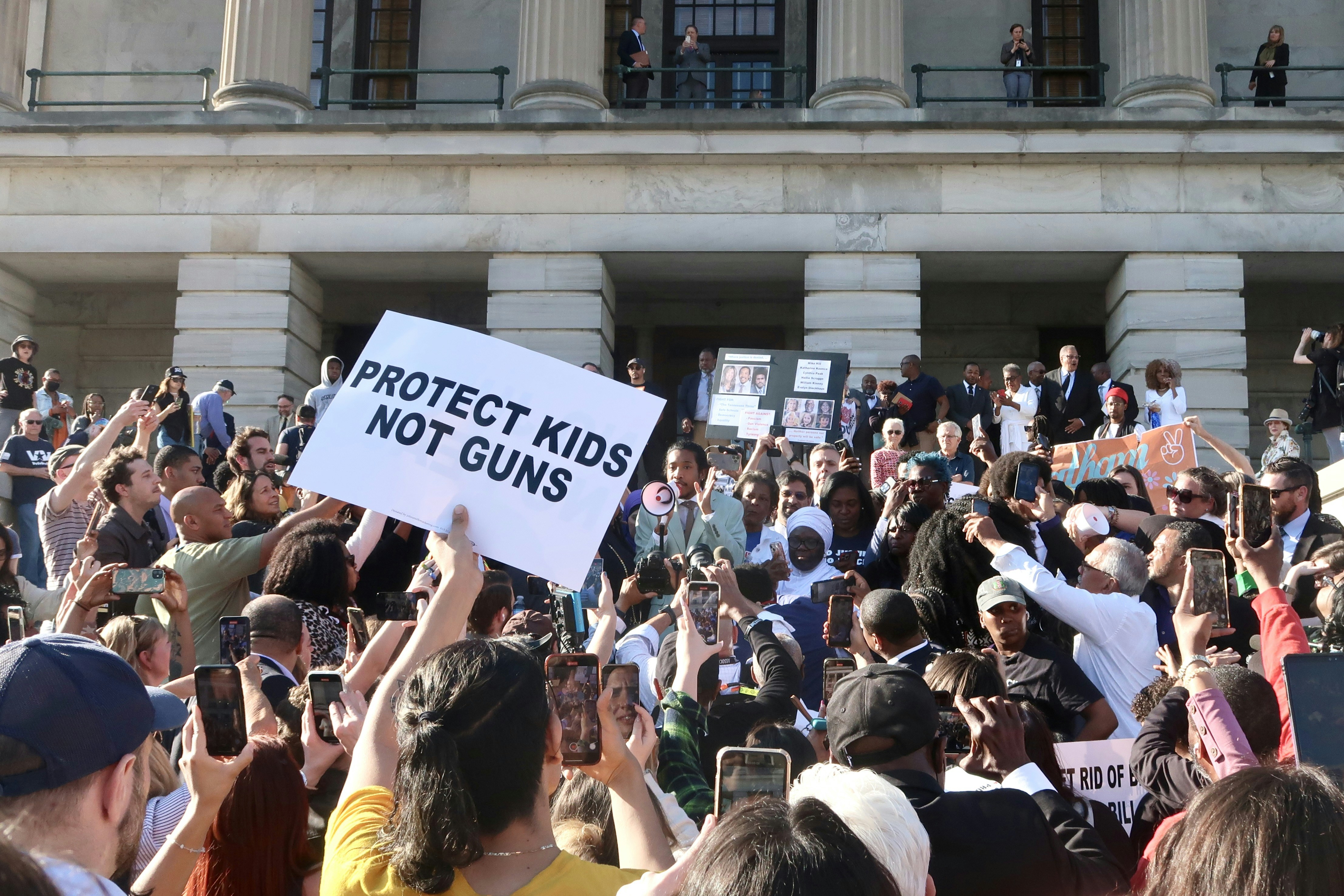
Why Gun Control Laws in the U.S. Need to Change: A Deep Dive into Both Sides of the Debate

Is the American Dream Still Alive in 2025?

Top 7 National Parks to Visit in the USA in Summer
Why Gun Control Laws in the U.S. Need to Change: A Deep Dive into Both Sides of the Debate
The Current Landscape of Global Politics: Key Trends and Developments

The Ultimate Travel Guide to New York City in 2025
-
Opinion12 months ago
Why Gun Control Laws in the U.S. Need to Change: A Deep Dive into Both Sides of the Debate
-
Politics12 months ago
The Current Landscape of Global Politics: Key Trends and Developments
-
Travel12 months ago
The Ultimate Travel Guide to New York City in 2025
-
Entertainment12 months ago
The Ultimate Guide to Entertainment Movies in the USA: What’s Hot and What’s Coming
-
Travel12 months ago
10 Most Breathtaking Road Trips Across the United States
-
Sports12 months ago
The Power of Sports: Uniting People and Influencing Lives
-
Entertainment12 months ago
The Evolution of Entertainment: From Traditional to Digital
-
Opinion12 months ago
Is the American Dream Still Alive in 2025?